



The Evolution of Boondocking Culture
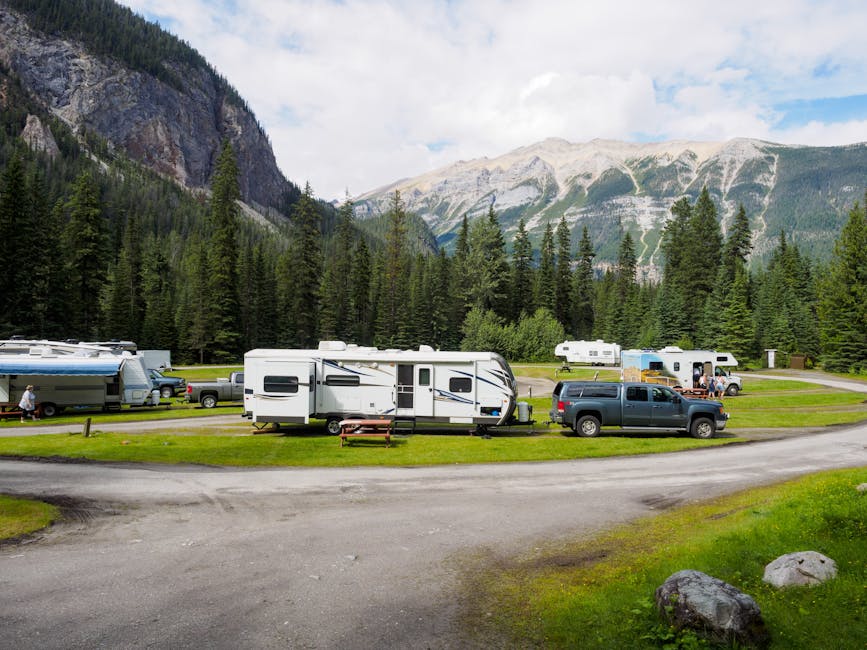
Boondocking—or dry camping—has shifted from a niche subculture to a cornerstone of modern RV life. While the freedom of dispersed camping remains the gold standard for many, the rise of membership networks like Harvest Hosts and Boondockers Welcome has introduced a new layer of convenience and community.
These networks offer a bridge for those who want to avoid the crowds of commercial campgrounds but still desire a sense of security. Whether you are staying at a vineyard or a farm, the golden rule remains the same: leave no trace, and always support your host.
Exploring Hot Springs National Park
Hot Springs National Park represents a unique intersection of history and accessibility. Unlike rugged mountain parks, this urban-adjacent treasure allows you to soak in history right in the heart of the city.
When visiting, remember that traditional boondocking inside park boundaries is strictly prohibited. Your best bet is to find a comfortable base camp nearby and shuttle into the park to experience the historic Bathhouse Row. It is a fantastic example of how to integrate city amenities with National Park exploration.

The Strategy of National Park Adjacent Camping
If you struggle to secure a reservation inside a National Park, start looking at "National Park Adjacent" land. Often, National Forest service roads or Bureau of Land Management (BLM) areas sit just minutes outside of park boundaries.
Pro Tips for Remote Stays
- Always arrive with full water tanks and empty waste tanks; remote sites offer zero hookups.
- Monitor your battery levels and solar intake, especially if you are under heavy tree cover.
- Check local fire restrictions before lighting a campfire, as regulations change daily in the summer months.