



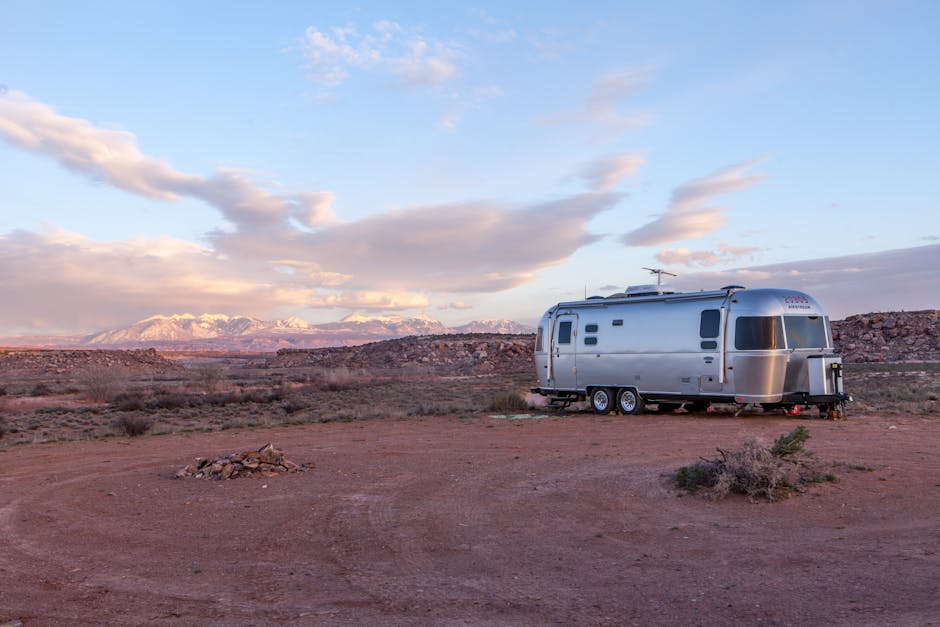
The Evolution of RV Camping: Crowds vs. Freedom
It is no secret that the RV lifestyle has exploded in popularity, leading to increased pressure on traditional campgrounds. Many seasoned travelers are finding it harder to secure last-minute reservations, which has driven a massive shift toward boondocking and membership-based camping.
Whether you are using platforms like Harvest Hosts or heading into the backcountry, the goal remains the same: peace, quiet, and a deeper connection to nature. However, these experiences require a different mindset regarding power management, water conservation, and neighbor etiquette.
Membership Programs and Boondocking Best Practices
Is Harvest Hosts Worth It?
Programs like Harvest Hosts and Boondockers Welcome offer incredible opportunities to stay in unique locations, from vineyards to local farms. To get the most out of these, remember that you are often a guest on private property. Always arrive within the requested window and support your host by purchasing their local goods.
Mastering Dispersed Camping
When boondocking on public lands, the "leave no trace" principle is your golden rule. As campground crowding continues to fluctuate, dispersed camping remains the most reliable way to find solitude, provided you have the right gear to be self-sufficient.

Discovering Hidden Gems: The California Example
If you are tired of the constant competition for commercial RV park spots, look for regional gems that offer both beauty and infrastructure. A prime example is the scenic parkland nestled between San Jose and Monterey, where you can find excellent opportunities for RV camping, fishing, and boating.
These types of locations are often less crowded than major national parks, yet they offer high-quality amenities. By diversifying your search to include smaller state-managed areas or under-the-radar county parks, you can secure a spot without fighting the seasonal rush.