



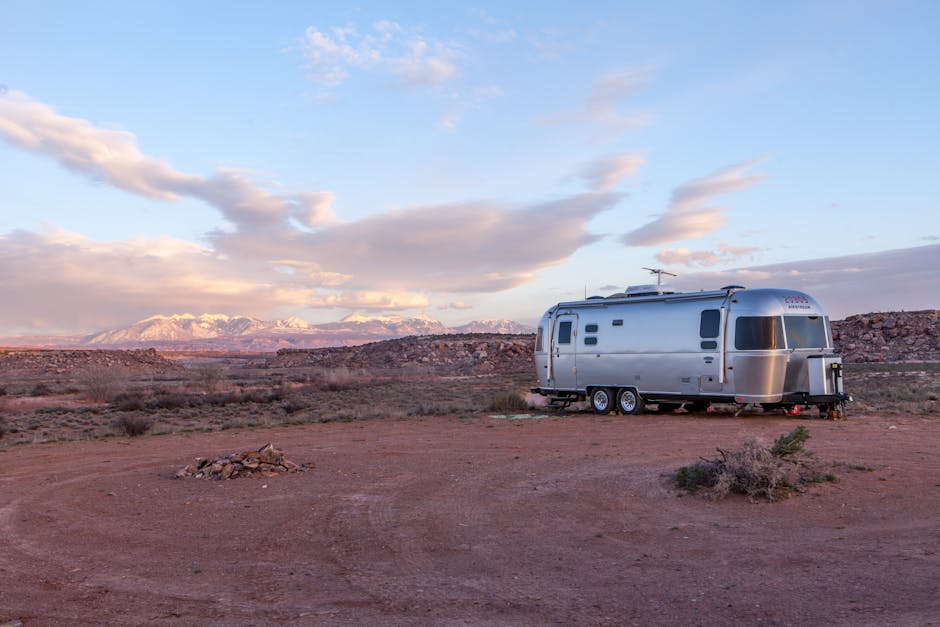
The Changing Face of RV Travel
The landscape of RV travel is undergoing a significant shift. Between the rise of sophisticated AI tools for route planning and the growing trend of campers staying closer to home, the 'old way' of just showing up to a campground is becoming a relic of the past.
Whether you are looking at services like Harvest Hosts or dealing with state-implemented regulatory changes, success now requires a hybrid approach to research and agility.
Navigating Crowd Control and Fees
High-traffic holidays like July 4th are increasingly challenging as national parks grapple with staffing cuts and surging visitor numbers. Fees are rising, and the infrastructure is under pressure.
To beat the crowd, prioritize visiting during shoulder seasons or looking for alternative public lands nearby. Staying close to home isn't just a cost-saving measure; it’s a strategy to avoid the logistical nightmares often associated with high-profile national park visits.
Budget Strategies and Smart Planning
Traveling across a major state like California while visiting three national parks for under $1,100 is still possible, but it requires discipline. The key is balancing boondocking with targeted campground stays.
Tips for Modern RVers:
- Use AI trip planners to identify low-cost, off-grid spots that match your rig's specific requirements.
- Vet your membership programs carefully; ensure their network of locations aligns with your specific route before committing.
- Always have a 'Plan B' and 'Plan C' campsite identified before you hit the road to account for sudden local park closures or crowding.

Adaptability is Your Best Gear
State parks are frequently updating their reservation windows and rules to manage demand. A strategy that worked last summer might be outdated by next month.
By staying informed on local regulations and focusing on off-the-beaten-path destinations, you can bypass the stress of record-breaking crowds and enjoy the peace and quiet that drew you to RVing in the first place.