



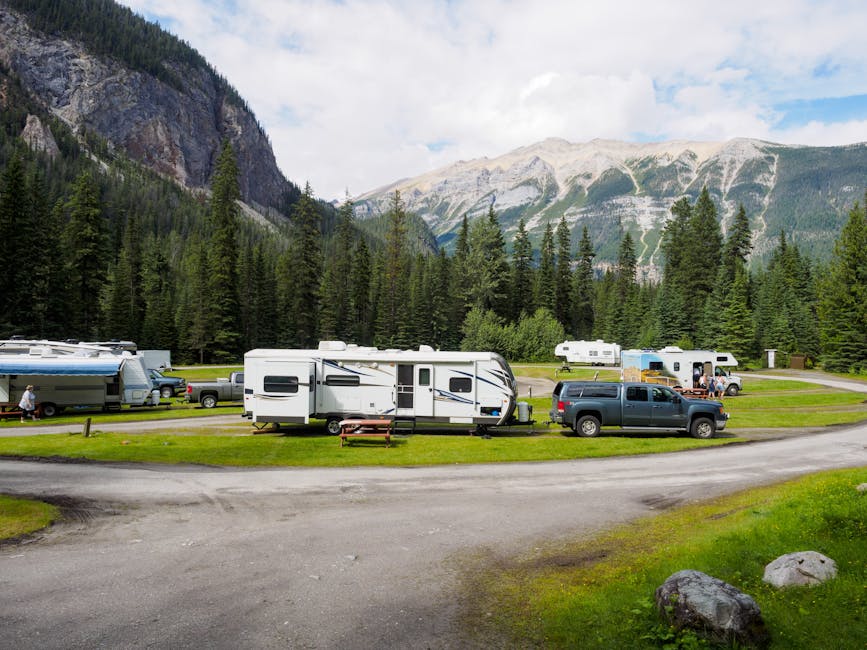
What is Boondocking?
Boondocking, often called dry camping, means camping without hookups like water, electricity, or sewer. It is the ultimate way to experience nature in its rawest form, often for free on public land managed by the BLM or Forest Service.
While it offers incredible freedom and savings, it requires self-sufficiency. You need to manage your battery bank, solar power, and fresh water storage capacity to ensure a comfortable stay.
The Reality of Membership Networks
Many RVers are turning to membership networks like Harvest Hosts and Boondockers Welcome to find unique overnight stops. These platforms allow you to stay at vineyards, farms, or private properties.
The main benefit is the community aspect and access to secure, unique locations that aren't available on public lands. However, keep in mind these spots often have strict stay limits, usually only 24 to 48 hours, and often require you to patronize the business owner.
Essential Tips for Your Next Trip
Whether you choose remote public land or a private farm stay, preparation is key. Here are three tips for success:
- Monitor your power usage carefully to avoid depleting your coach batteries.
- Always follow Leave No Trace principles to keep these spots open for everyone.
- Check local weather reports before heading to remote areas, as access roads can become impassable after heavy rain.

Finding Your Next Spot
If you prefer established amenities over total isolation, check out local favorites like [Golden Gate Canyon State Park](/park/golden-gate-canyon-state-park) or [Chatfield State Park](/park/chatfield-state-park). These locations provide a middle ground between the full-service campground experience and the rugged nature of boondocking.
Ultimately, the best camping experience depends on your rig's capabilities and your personal thirst for adventure. Start small, test your systems, and enjoy the journey.