



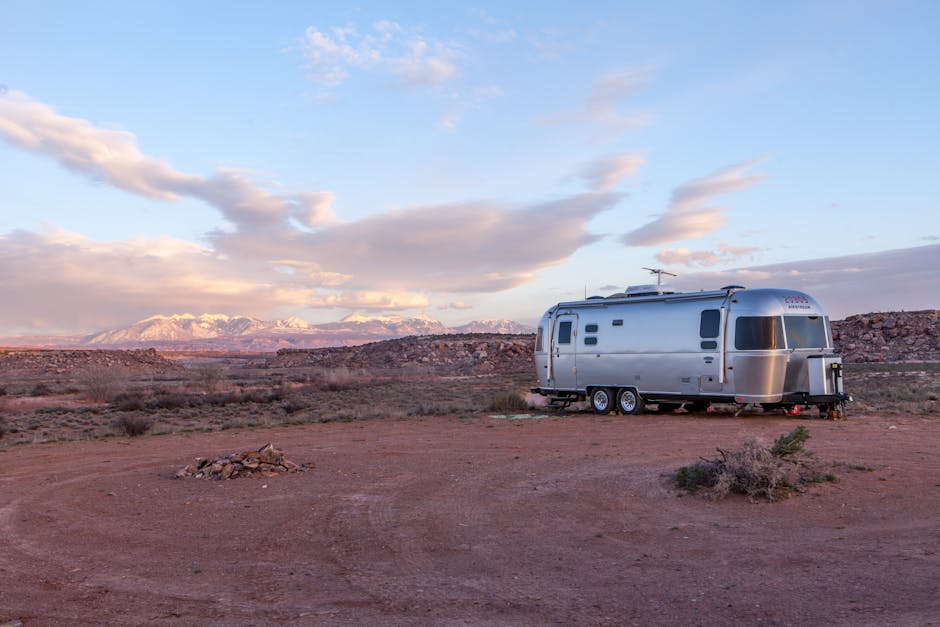
The Changing Landscape of Free Camping
The face of dry camping is shifting. Recently, reports of councils shutting down free RV parks due to infrastructure damage or 'bogging fears' underscore a growing tension between the RV community and land managers. It is more critical than ever to practice Leave No Trace principles and monitor local conditions before parking.
Meanwhile, membership platforms like Harvest Hosts and Boondockers Welcome remain popular, but many travelers are re-evaluating their value. While these services provide safe, reliable spots, they are not a substitute for traditional boondocking. They offer a unique experience that requires a change in mindset from 'finding a place to park' to 'engaging with a host.'
Surviving and Thriving in Extreme Heat
Boondocking during a heat wave is a true test of your RV’s systems and your personal endurance. Without shore power for high-draw air conditioning, you must shift your strategy to focus on passive cooling and resource management.
Essential Heat Mitigation Tips
- Use reflective window covers on all exterior glass to block solar gain before it enters the cabin.
- Maximize cross-ventilation in the evenings when the ambient temperature finally drops below the interior temperature.
- Upgrade your roof vent fans to high-CFM models to pull hot air out rapidly.
- Choose high-elevation boondocking sites whenever possible; every thousand feet of elevation can drop temperatures significantly.
Responsible Boondocking Practices
When local councils shut down sites due to weather-related damage, the entire community suffers. We must be the stewards of the land we use to ensure these spots remain open for others.
- Check ground conditions: If the area is saturated, do not attempt to drive on it. If you rut the ground, you are part of the reason sites get closed permanently.
- Respect the quiet: Many free sites are near residential areas. Manage your generators and stay within permitted stay limits.
- Have a backup plan: Never rely on one spot. Always identify at least two secondary locations within a 50-mile radius in case your primary choice is unavailable or closed.