




The Changing Face of Free RV Camping
Boondocking is no longer the simple, lawless "park anywhere" experience it once was. With urban centers like San Diego cracking down—issuing nearly 7,000 tickets in a single year for unauthorized overnight parking—the importance of researching local municipal codes cannot be overstated.
If you plan to stay within city limits, assume that overnight parking is prohibited unless clearly marked otherwise. Local ordinances are increasingly strictly enforced to prevent permanent encampments, meaning even a single night in a rest area or public street can lead to a costly fine.
Harvest Hosts and Boondockers Welcome: Is it Worth It?
As public lands become more crowded and municipal restrictions tighten, membership-based programs have exploded in popularity. These networks connect RVers with private hosts—like farms, wineries, and breweries—who allow overnight stays.
Pros and Cons of Private Networks
- Pros: You gain access to unique, secure locations that are often safer than roadside pull-offs. It supports local small businesses and provides a structured "boondocking" experience without the legal anxiety.
- Pros: Most hosts provide a level of hospitality that turns a simple parking stop into a destination experience.
- Cons: Membership fees are required. You are expected to patronize the business, which can sometimes end up costing as much as a budget-friendly campground.
Essential Tips for Secure Boondocking
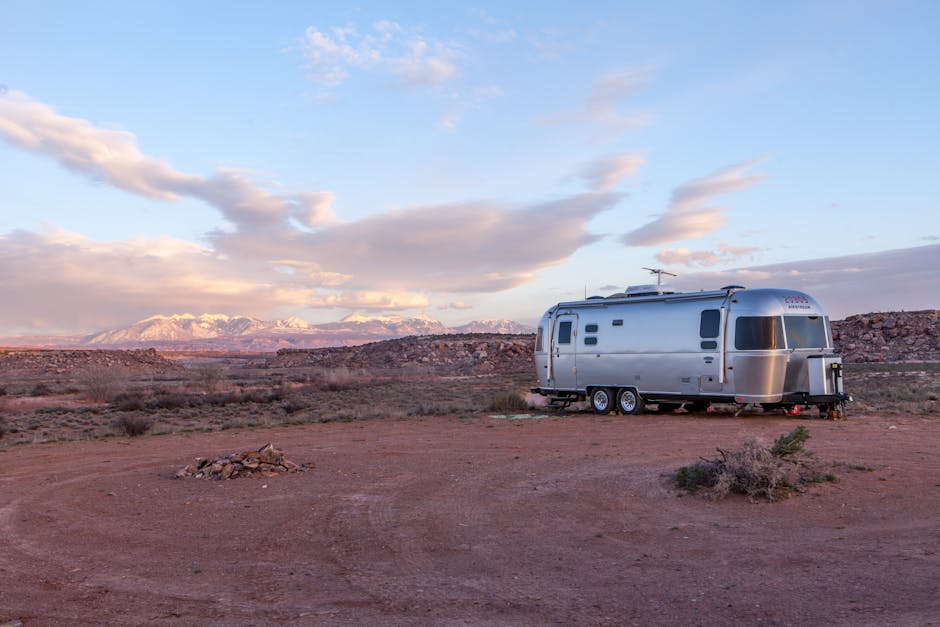
To successfully boondock without running into legal issues or safety concerns, you must be self-contained. Always arrive at your location before dark so you can assess the terrain and the "vibe" of the area.
- Always verify current status: Use apps, but supplement them with a quick call to the local ranger station or parking authority.
- Practice Leave No Trace: This is the only way to keep free spots open. If you pack it in, pack it out.
- Be Prepared to Move: If a location feels unsafe or you receive notice that parking is restricted, leave immediately. Never argue with law enforcement.