



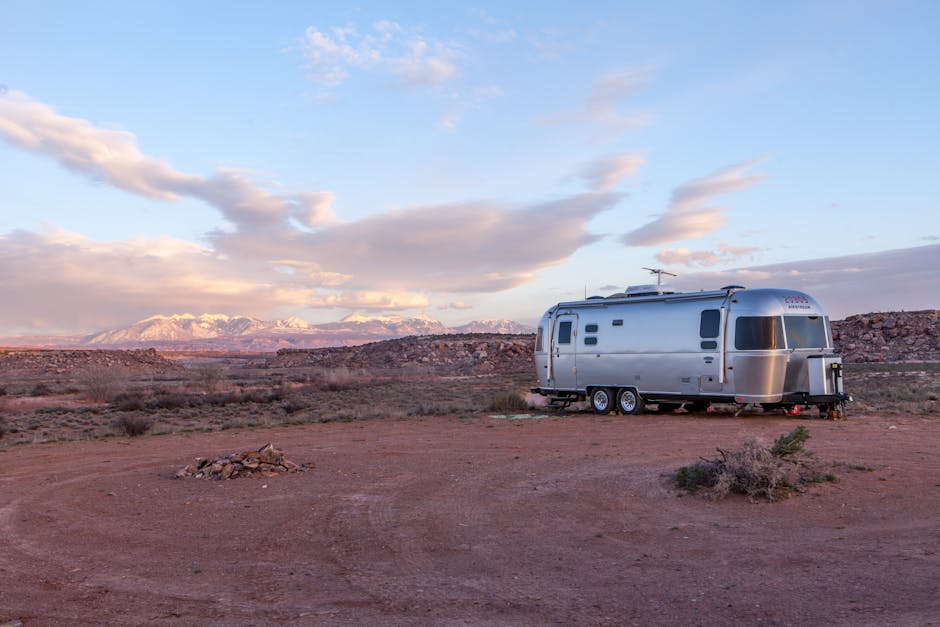
What is Boondocking?
Boondocking, often called dry camping or dispersed camping, refers to staying in an RV without traditional hookups like water, electricity, or sewer. It is the ultimate way to get off the grid, save on nightly fees, and find peace away from bustling RV parks.
Whether you are parking on BLM land, in national forests, or utilizing programs like Harvest Hosts, the key to success is self-sufficiency. Your success depends on your ability to manage your battery levels, water tanks, and waste disposal responsibly.
Essential Gear for Off-Grid Success
To boondock comfortably, your RV needs to be a self-contained ecosystem. Relying on battery power alone requires intentional energy management.
- Solar panels to keep your house batteries topped off during daylight hours.
- A portable quiet generator as a backup for cloudy days or high-load appliances.
- LED lighting throughout the interior to minimize electrical draw.
- Portable water bladders or jugs to extend your freshwater capacity.
The Reality of Membership Programs

Many RVers are looking into platforms like Harvest Hosts and Boondockers Welcome to bridge the gap between expensive resorts and wild camping. These programs offer unique, one-night stays at breweries, farms, and private properties.
The consensus among the community is that while these programs are not traditional boondocking, they are excellent for travel days. The social aspect is a major draw, but remember that you are a guest on private property. Always follow the specific rules regarding arrival times and pet policies to keep the host experience positive for everyone.
Practicing Leave No Trace
The greatest threat to free camping is irresponsible behavior. If you choose to boondock on public lands, you must commit to the Leave No Trace principles.
- Pack out everything you pack in, including grey water if regulations require it.
- Never dump your black tank in non-sanctioned areas.
- Minimize your noise footprint to maintain the natural character of the area.
- Respect the landscape by staying on established pads to avoid damaging native vegetation.