



Boondocking 101: What You Need to Know
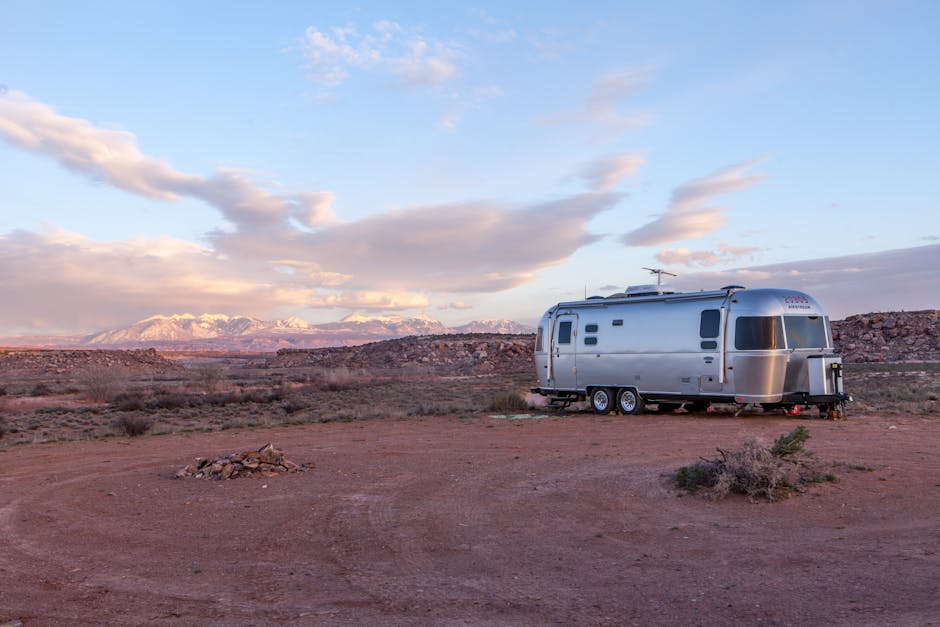
Boondocking, or dry camping, is the ultimate way to experience the outdoors without the constraints of traditional campgrounds. It means camping without electricity, water, or sewer hookups, often on public land managed by the BLM or National Forest Service.
If you are considering your first RV, don't let the lack of hookups intimidate you. With the right preparation—focusing on battery capacity, water management, and solar power—you can enjoy total independence while parked in some of the most beautiful locations in the country.
Exploring Near Hot Springs National Park
While Hot Springs National Park is a jewel for visitors, remember that the park itself has strict regulations on camping. For those looking for the full boondocking experience, you will need to look at surrounding national forest lands where dispersed camping is permitted.
Always check local regulations before you settle in. The area surrounding Hot Springs National Park offers a diverse landscape perfect for those who want to balance park exploration with the quiet solitude of off-grid living.

Essential Boondocking Tips for Beginners
1. Master Your Power Consumption
Your batteries are your lifeline. Invest in a deep-cycle battery bank and consider adding solar panels to your RV to keep your lights and pump running without needing a generator constantly.
2. Water Management is Key
When you are not connected to a park spigot, every drop counts. Use low-flow showerheads and prioritize using your grey water tank wisely. Always carry extra potable water jugs to extend your stay.
3. Safety and Security
Always arrive at your boondocking spot during daylight hours to survey the terrain. Check for low-hanging branches, uneven ground, and ensure your cell service is adequate if you require connectivity for work or safety.