



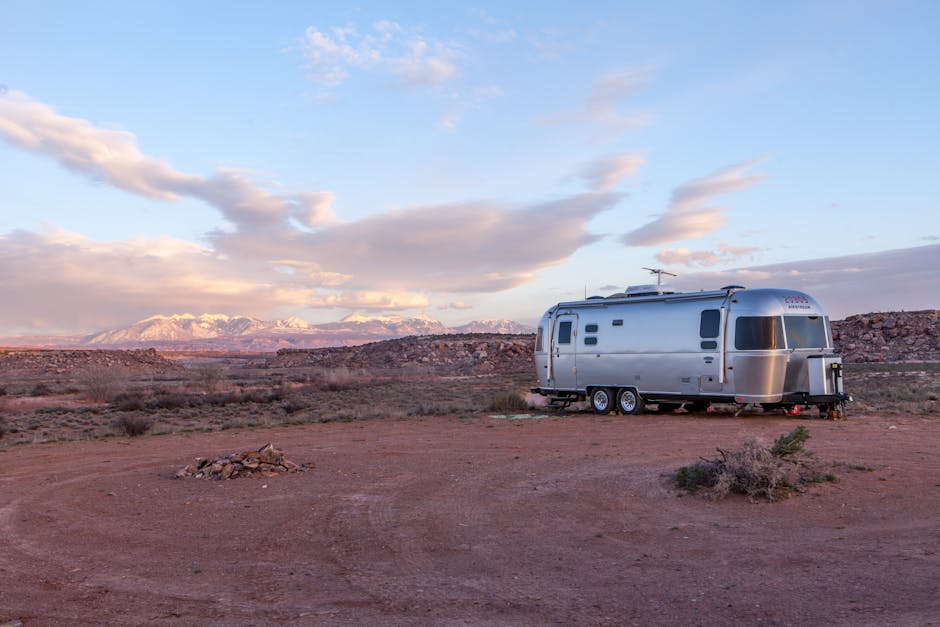
The Changing Landscape of Dry Camping
Boondocking has evolved from a niche hobby for off-grid enthusiasts into a cornerstone of the modern RV experience. As public lands face increased traffic, many travelers are looking toward membership-based networks like Harvest Hosts and Boondockers Welcome to find reliable, unique overnight spots.
While these platforms offer access to wineries, farms, and private property, they aren't traditional "free" camping. Understanding the value proposition of these services versus classic dispersed camping is essential for planning your budget and your route.
Weighing Membership Networks vs. Dispersed Camping
The Case for Membership Networks
Membership networks provide a layer of security and predictability. By staying at a vetted location, you often gain access to unique experiences that a standard parking lot or remote BLM land cannot offer. The implicit expectation is to support the host business, which turns a standard travel expense into a local cultural experience.
The Freedom of Traditional Boondocking
True boondocking on public lands remains the gold standard for those seeking absolute silence and zero-cost stays. However, this requires significant self-sufficiency, including robust solar setups and adequate water management. Always check local regulations, as many regions are implementing stricter stay limits to preserve the environment.

Essential Tips for Modern Boondockers
- Scout ahead using satellite views to ensure your rig fits the terrain.
- Always have a "Plan B" site within 20 miles if your preferred spot is full or inaccessible.
- Prioritize your footprint: follow Leave No Trace principles strictly, especially on public lands.
- Monitor your battery banks and water levels daily; comfort is key to long-term boondocking success.
Final Thoughts on Sustainability
Whether you choose the structured benefits of a membership program or the rugged independence of public forests, the future of our access depends on our behavior. Respecting host rules and protecting natural spaces ensures these opportunities remain open for all RVers for years to come.