



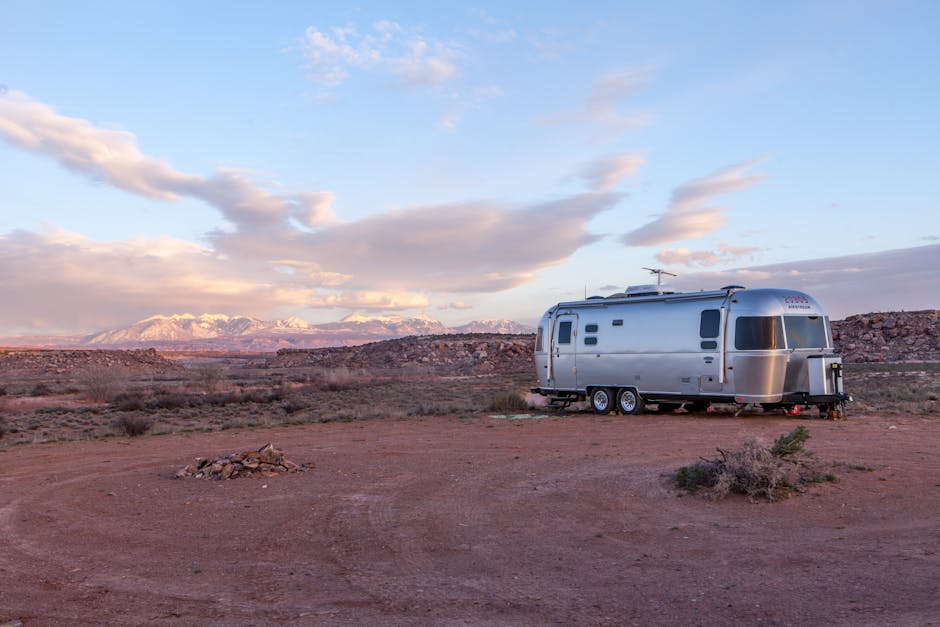
What is Boondocking?
Boondocking, often called dry camping, is the practice of camping in an RV without hookups like water, electricity, or sewer. It represents the ultimate freedom in the RV lifestyle, allowing you to wake up to pristine views without campground noise or neighbors inches away.
Whether you are parking on BLM land, national forests, or through private membership programs, the key to success is self-sufficiency. Your success depends on your ability to manage solar power, water conservation, and waste storage effectively.
Evaluating Membership Networks: Harvest Hosts vs. Boondockers Welcome
The landscape of camping has evolved significantly with the rise of membership networks. These platforms bridge the gap between pure free boondocking and full-service commercial campgrounds.
Harvest Hosts and Boondockers Welcome
These networks offer access to unique private properties, from vineyards and farms to golf courses. While they are not technically 'free' due to the annual membership cost, they provide safety and convenience in locations you would otherwise never access.
Remember that while Boondockers Welcome often focuses on community-based stays, Harvest Hosts usually requires patrons to support the local business. Always check the specific rules of each host before arrival, as rules on generator use and pet policies vary significantly by location.
Essential Tips for Successful Off-Grid Stays
- Prioritize power management: Invest in high-quality lithium batteries and solar panels to keep your fridge and lights running without shore power.
- Master your water usage: Learn how to manage gray and black tank levels so you can extend your stay from two days to a week.
- Safety and etiquette: Always arrive at your location before dark. If you are boondocking on public land, practice Leave No Trace principles to keep these spots open for future RVers.
- Check connectivity: If you work remotely, confirm cellular signal strength at your spot before committing to a multi-day stay.

Is Free Camping Right for You?
Free camping is a fantastic way to stretch your travel budget, but it requires a learning curve. Start by practicing in your driveway or a local, well-connected spot before heading deep into the backcountry. With the right gear and a respectful attitude toward the land and your hosts, boondocking becomes the most rewarding way to see the country.