



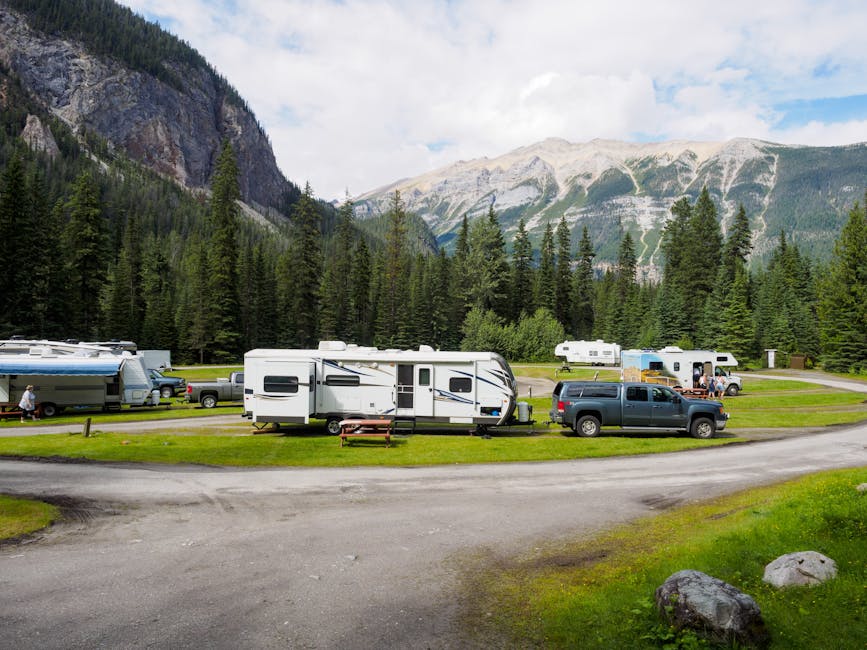
What is Boondocking?
Boondocking, often called dry camping, is the practice of parking your RV outside of traditional campgrounds, usually without hookups for water, electricity, or sewer. It offers unparalleled access to public lands and quiet landscapes, but it requires a high degree of self-sufficiency.
Whether you are parking on BLM land or a quiet forest service road, your rig must be equipped to handle your power and water needs independently for the duration of your stay.
Navigating Membership Networks
The landscape of RV travel has shifted with the rise of membership networks like Harvest Hosts and Boondockers Welcome. These programs bridge the gap between expensive resorts and rugged, remote camping.
Is a Membership Worth It?
Many seasoned RVers use these networks to find safe, reliable overnight spots on private land. While boondocking on public land is free, memberships often provide a sense of security, reliable cell signal, and unique experiences at vineyards, farms, or private residences.
Before committing, evaluate your travel style. If you prioritize deep-wilderness solitude, stick to public lands. If you enjoy curated experiences and a network of hosts, these programs offer excellent value for your budget.
Pro Tips for Sustainable Dry Camping
Success in boondocking comes down to preparation and respect for the land. Follow these steps to ensure your trip goes smoothly:
- Master your power management: Invest in solar panels and a reliable battery bank so you aren't reliant on a noisy generator.
- Conserve your water: Use low-flow faucets and learn to recycle your gray water where permitted.
- Follow Leave No Trace principles: Always pack out what you pack in, and keep your site cleaner than you found it.
- Check your cell reception: Use coverage maps to ensure you can stay connected if you work remotely.
