



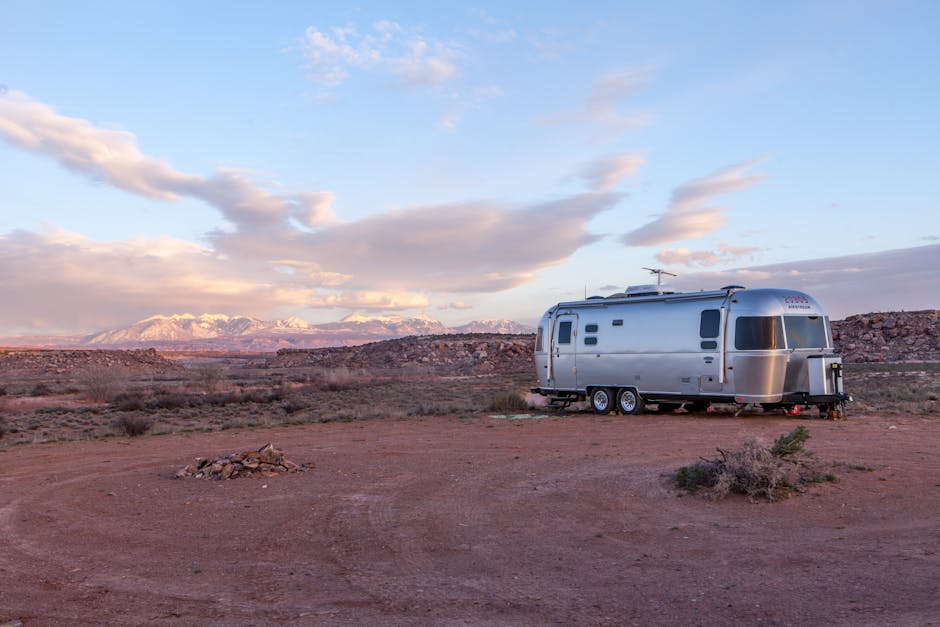
Introduction to Modern Boondocking
Boondocking—also known as dry camping or dispersed camping—offers the ultimate freedom for RVers seeking solitude, natural beauty, and zero nightly fees. Leaving the crowded, hookup-dependent commercial campgrounds behind requires a shift in how you manage your water, power, and waste. Whether you are parking on public BLM land out west or utilizing private network stays, mastering off-grid basics unlocks a completely new level of RV travel.
Transitioning to free camping successfully isn't just about finding a scenic spot; it is about self-sufficiency. Modern solar setups, lithium batteries, and efficient water conservation techniques make extended off-grid stays entirely comfortable. Let us dive into the strategies that keep your rig warm, powered, and legally parked throughout the year.
Conquering Campgrounds for the Winter Months

Winter boondocking presents a unique set of challenges that test both your equipment and your resilience. Dropping temperatures mean higher propane consumption, potential tank freezing risks, and significantly less solar generation due to shorter days and cloud cover. Proper preparation transforms a freezing ordeal into a cozy winter wonderland adventure.
Essential Winter Off-Grid Strategies
- Insulate Your Underbelly: Heated tank pads and skirting prevent your fresh and grey water tanks from turning into solid blocks of ice.
- Manage Moisture: Condensation is the silent killer of winter RVs. Use small dehumidifiers and crack roof vents while cooking to keep interior humidity under control.
- Maximize Solar & Backup Power: Tilt portable solar panels toward the low winter sun, and ensure your generator is well-maintained with plenty of extra fuel stored safely.
- Pack Emergency Gear: Always carry tire chains, a sturdy snow shovel, emergency sleeping bags, and extra drinking water in case you get snowed in for a few days.
Current Thoughts on Harvest Hosts and Boondockers Welcome

When public lands are full, frozen, or too far away, private overnight hosting networks offer incredible alternatives. Harvest Hosts and Boondockers Welcome have exploded in popularity, giving travelers access to unique, safe, and often free or low-cost overnight parking options across North America.
Harvest Hosts connects self-contained RVers with farms, wineries, breweries, and museums for unique one-night stays. While the annual membership fee applies, the cultural experience and local goods more than make up for it—though you are expected to support the business with a modest purchase. On the other hand, Boondockers Welcome operates on a community-based model, connecting travelers with private property owners who graciously offer driveways, land, and sometimes even hookups for free. Both platforms require strict adherence to etiquette, including arriving on time, respecting host rules, and always leaving the site pristine.
Top Tips for Finding Safe and Legal Free Campsites
Finding the right spot requires a mix of reliable apps, offline maps, and good situational awareness. Never rely solely on cellular service when hunting for remote campsites, as coverage frequently drops right when you need it most.
- Use trusted apps like iOverlander, Campendium, and FreeCampsites.net to read recent reviews from fellow travelers.
- Verify land ownership and local regulations using offline mapping tools like Gaia GPS or OnX to ensure you are legally allowed to disperse camp.
- Arrive well before sunset to scout the terrain, check for hazards, and position your rig safely without rushing.
- Practice Leave No Trace principles rigorously to keep these public lands open and pristine for future generations of RVers.