



The Great Debate: Freedom vs. Amenities
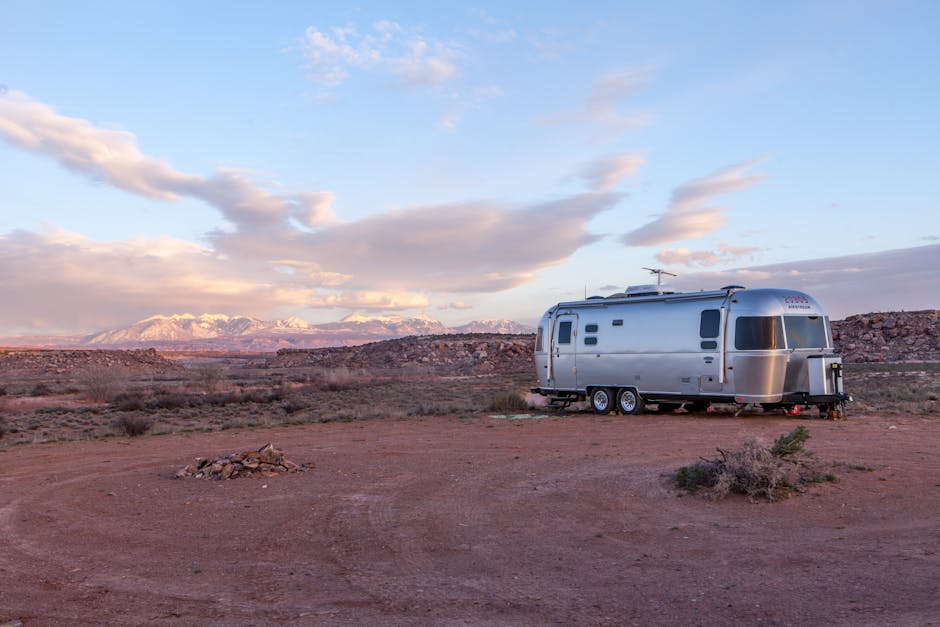
The RV lifestyle is defined by the choice between complete self-sufficiency and structured camping experiences. Boondocking offers unparalleled solitude, connecting you directly with nature without the constraints of campground neighbors or nightly fees.
Conversely, membership camping networks provide a layer of security and predictability. Whether you are considering premium networks or utilizing public lands, your choice depends largely on your rig's capabilities, specifically your battery bank, water capacity, and solar array.
When to Choose Boondocking
Boondocking is best for travelers who have invested in off-grid power and water management systems. It is the ultimate way to stretch your travel budget since you are usually staying on free public lands.
However, you must be prepared for the realities of off-grid life. Always monitor your grey and black tank levels and ensure you have a plan for finding dump stations and potable water before you reach remote locations.

Leveraging Membership Programs
Membership programs often serve as the bridge between full-time boondocking and traditional full-hookup RV parks. These networks often provide access to unique private properties, such as vineyards or small farms, which offer a more intimate experience than big-box resorts.
Before signing up for a membership, check the density of locations in your intended travel path. A high concentration of participating locations makes these programs an excellent value for cross-country road trips where you need a reliable place to stop for a night or two.
Essential Gear for Every RVer
Regardless of your chosen camping style, safety and preparedness remain the top priorities. Ensure you carry the following essentials:
- Portable solar panels or a high-capacity lithium battery bank for extended stays.
- A high-quality water filtration system to ensure safe drinking water from unknown sources.
- Reliable leveling blocks and chocks for uneven, non-paved terrain.
- Offline GPS mapping tools to navigate deep into wilderness areas where cell service is non-existent.