



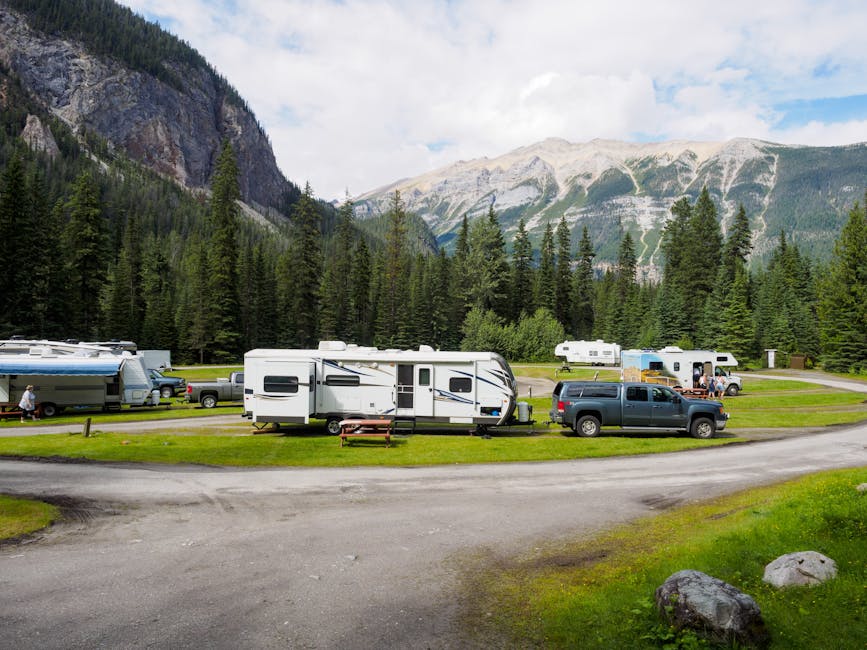
Understanding the Thousand Trails Model
If you are looking to cut down on nightly campground fees, Thousand Trails is often the first place RVers look. It operates on a membership model where you pay an annual fee in exchange for access to a network of private campgrounds across the country.
The key to making this cost-effective is hitting the "break-even" point. If you plan to spend several months a year on the road, the membership fee can quickly drop your per-night cost to significantly less than standard commercial RV parks.
Budget Strategies for Membership Users
Not all memberships are created equal. It is vital to understand the difference between the base zone memberships and upgraded packages like the Trails Collection.
Strategic Planning
Always check the stay limits. Most memberships allow for 14-night stays, but you often need to leave the system for a certain number of days before returning. Smart travelers map out their route to alternate between Thousand Trails parks and boondocking or state parks to maximize their savings.
Account for Ancillary Costs
While camping fees are reduced, remember to factor in potential surcharges. Some locations may have seasonal electricity fees or pet charges. Always call ahead to clarify the total cost for your specific rig and length of stay.
Choosing the Right Destination
Location matters as much as the membership itself. Staying at high-demand areas during peak season can make finding a spot difficult, even with a membership. Planning your travels during shoulder seasons can help you secure better sites while keeping your fuel and maintenance costs lower due to less aggressive travel schedules.

If you are exploring regions with higher concentrations of parks, your membership value increases exponentially. Evaluate whether your preferred travel lanes align with the Thousand Trails network density before committing to a multi-year contract.