



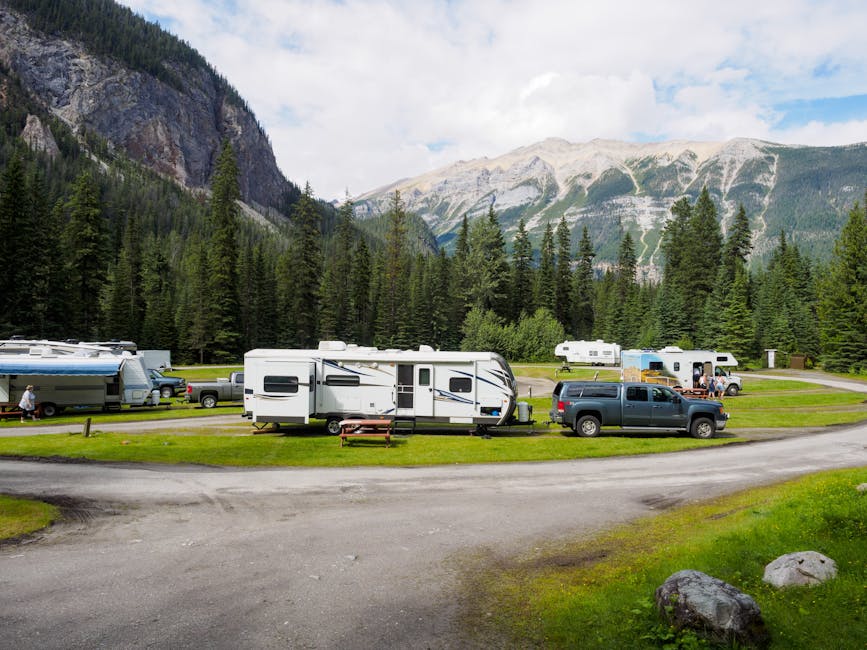
The Reality of Rising Campground Costs
The open road has always promised freedom, but recent trends in the RV community reveal a growing financial squeeze. Between soaring nightly rates and overcrowded facilities, many travelers are finding that their retirement dreams cost significantly more than anticipated. When the price of staying at a commercial park rivals a budget hotel, it is time to pivot your strategy and rethink how you allocate your travel funds.
Beyond simple inflation, RVers are increasingly frustrated by paying premium prices only to encounter broken promises. Out-of-order pool facilities, non-functioning Wi-Fi networks, and poorly maintained bathhouses make high nightly fees feel like an unfair penalty. Protecting your wallet means learning how to navigate these industry shifts and taking control of your expenses.
Smart Strategies to Cut Campground Expenses
Embrace Boondocking and Dispersed Camping
One of the most effective ways to bypass skyrocketing commercial fees is to embrace dry camping or boondocking. Public lands managed by the Bureau of Land Management (BLM) and the US Forest Service offer vast stretches of free or ultra-low-cost camping. Equipping your rig with solar panels, extra fresh water storage, and a portable generator allows you to stay off-grid comfortably for days.
Leverage Membership Programs Wisely
Campground discount networks and loyalty memberships can drastically reduce your nightly overhead. Programs offering half-price stays or extended monthly rates can pay for themselves within just a few trips. Always read the fine print regarding peak season restrictions to maximize your savings.

- Call ahead to verify that advertised amenities are fully operational before booking.
- Utilize apps and community forums to check recent user reviews on park cleanliness and pricing.
- Consider monthly or weekly site bookings to unlock steep discounts on long-term stays.
Protecting Your Travel Lifestyle and Retirement Dreams
Retiring on the road should be an adventure, not a financial burden. By diversifying your camping choices and mixing luxury resort stays with quiet state parks and national forest lands, you can balance your comfort with your bottom line. Flexibility is your greatest asset when navigating crowded reservation systems and rising fees.
Remember that the best part of RVing isn't the concrete pad or the clubhouse pool—it is the freedom to explore new landscapes. Keeping a buffer in your maintenance fund and staying adaptable will ensure your journey remains sustainable for years to come.