



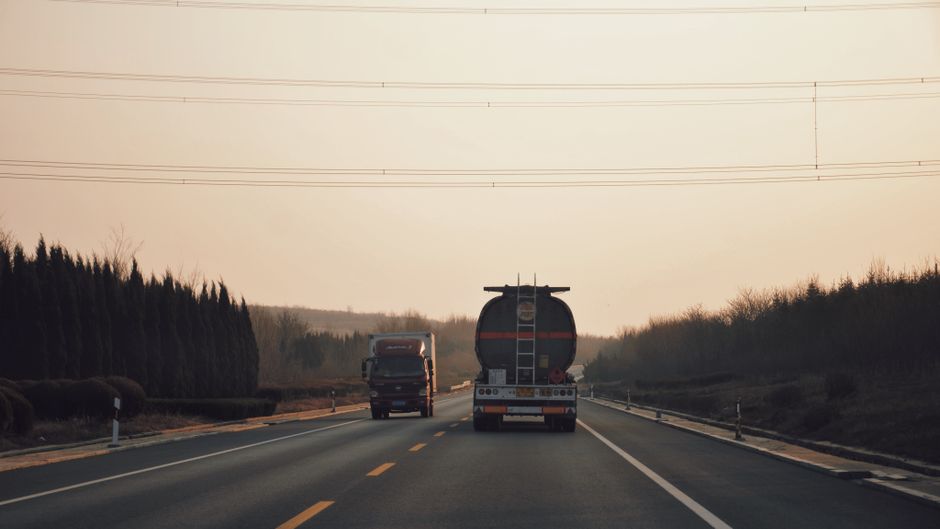
The Reality of High Fuel Costs
With diesel prices soaring, many RVers are experiencing severe sticker shock at the pump. Traveling in a heavy motorhome or towing a large fifth wheel can easily push transit costs to nearly one dollar per mile. To keep your adventures sustainable, you need to fundamentally rethink how and when you move your rig.
Instead of treating the open road as an endless playground of spontaneity, modern RVing requires strategic route planning. Minimizing transit miles is no longer just about convenience—it is essential for financial survival on the road. By adopting a slow-travel mindset, you can drastically reduce your monthly fuel expenditure while discovering hidden gems closer to home.
Smart Fuel Management and Driving Tactics
Your driving habits have a massive impact on your miles-per-gallon efficiency. Slowing down by just 5 to 10 miles per hour can yield noticeable improvements in fuel economy, especially in heavy diesel pushers. Additionally, leveraging fuel-finding apps helps you scout out the cheapest diesel stations before you even enter a new town.
- Use apps like GasBuddy or Trucker Path to compare diesel prices along your corridor.
- Maintain proper tire pressure to reduce rolling resistance and maximize fuel efficiency.
- Lighten your load by draining unnecessary fresh water tanks when traveling between full-hookup sites.
- Utilize loyalty programs and truck stop reward cards to shave cents off every gallon.
Embracing Slow Travel and Extended Stays
Moving your RV every single weekend is a surefire way to drain your bank account. High fuel costs make short, rapid-fire road trips financially unsustainable for most families. The antidote to high transit costs is extending your stay at every destination.
Look for campgrounds and RV parks that offer weekly or monthly rates. When you stay in one spot for a month, your daily site cost plummets, and your fuel consumption drops to zero while you explore the local region using a towed dinghy or local transit. This approach not only saves money but also offers a much more relaxing travel experience.

Alternative Overnight Parking and Boondocking
Campground fees are another major expense that can add up quickly alongside fuel costs. Incorporating boondocking—or dry camping—into your itinerary is one of the best ways to offset high travel expenses. Public lands managed by the BLM and US Forest Service offer incredible, often free places to park your rig.
When you do need amenities, mix up your stays by blending a few nights of boondocking with state parks or affordable private campgrounds. Investing in a portable solar setup or a small generator will give you the energy independence needed to camp off-grid comfortably for days at a time.