




Navigating Campgrounds for the Winter Months
Finding open campgrounds during the off-season takes a bit more strategy than pulling into a state park in July. Many public campgrounds close their gates after Labor Day or shut off water supplies by the first frost. Your best bet for reliable winter stays are private RV resorts with winterized hookups, long-term monthly sites, or public lands in the southern tier of the US.
When booking winter sites, always call ahead to verify their definition of "year-round" operations. Some parks keep sites open but shut off individual water hydrants, forcing you to rely on your fresh water tank and internal pump. Always ask about snow removal policies and electrical amp availability to run your space heaters safely.
- Verify if water hydrants remain pressurized or if you must fill up at a central dump station.
- Confirm 30-amp or 50-amp availability to handle heavy heating loads.
- Inquire about access roads and whether snowplowing is included in your nightly rate.
Harvest Hosts and Boondockers Welcome in Winter
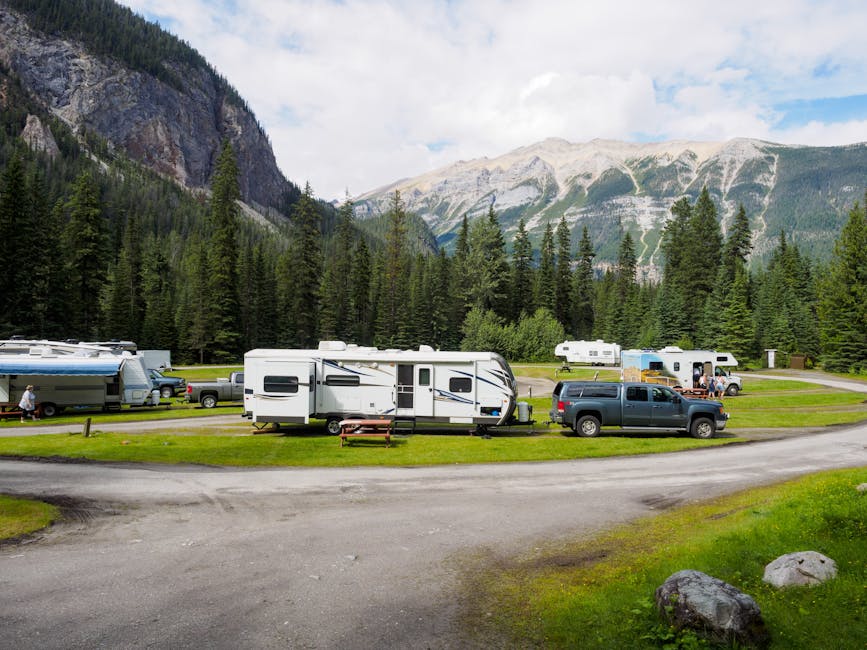
If you are traveling between full-service winter campgrounds, networks like Harvest Hosts and Boondockers Welcome offer incredible overnight stops. However, winter brings unique challenges to these overnight locations. Many rural host locations, such as wineries, farms, and museums, experience slower winter traffic or limited operating hours.
Furthermore, boondocking on public lands or member properties requires complete self-containment when temperatures drop below freezing. Without shore power, your furnace will heavily consume propane and battery power. Always check weather forecasts and ensure your generator is in top shape before relying on off-grid options during a cold snap.
- Contact hosts well in advance to confirm they are accepting overnight rigs during winter months.
- Test your generator and monitor your battery state of charge closely during long winter nights.
- Keep extra propane tanks filled and ready for quick swaps in freezing weather.
Early Freeze Warnings and Protecting Your Rig
Nothing ruins a winter RV trip faster than waking up to an early freeze warning and discovering burst pipes. When temperatures threaten to drop below 32 degrees Fahrenheit, you must take immediate action to protect your plumbing system. Disconnect your fresh water hose during overnight freezes, or switch to a heated drinking water hose.
If you are experiencing severe sub-freezing weather without full hookups, it is safer to winterize your system with RV antifreeze or run on your internal water tank while keeping the underbelly warm. Skirting your RV can also make a dramatic difference by blocking cold winds from chilling your floorboards and holding tanks.
Looking Ahead: Winter Travel Plans 2026/2027
Successful winter RVing requires looking far down the road. If you plan to spend the 2026/2027 winter season in high-demand snowbird destinations like Arizona, Florida, or Southern California, you need to reserve your spots months in advance. Premium spots at popular resorts often book out a year ahead.
Draft a flexible itinerary that allows you to chase the 60-degree weather while having safe backup options for sudden cold fronts. By combining traditional RV parks, dry camping, and membership stays, you can design a seamless winter journey that keeps you warm, safe, and on the move.