




The Reality Check: Why Retirees Hang Up Their Keys
The romanticized vision of full-time RV living often involves endless sunshine, winding coastal highways, and effortless campfires. However, recent data highlights a stark reality: a significant number of retirees sell their rigs and return to brick-and-mortar homes within just two years. Understanding the hidden friction points of nomadic life is the key to ensuring you stay on the road for the long haul.
Transitioning from a spacious home to a few hundred square feet forces an immediate lifestyle compression. Couples who have spent decades in traditional homes suddenly find themselves sharing a tiny kitchen, navigating cramped bathrooms, and dealing with micro-distances during bad weather. Without proper preparation, the novelty wears off quickly, replaced by fatigue and frustration.
The Top Culprits Behind Early Burnout
While mechanical breakdowns and unexpected repair bills certainly play a role, the primary driver of early retirement from full-time RVing is logistical exhaustion. Moving too fast, dealing with constant reservation stress, and underestimating the physical labor involved can quickly drain your enthusiasm.
- Constant Relocation Fatigue: Packing up, hitching, and driving every few days creates severe mental and physical exhaustion.
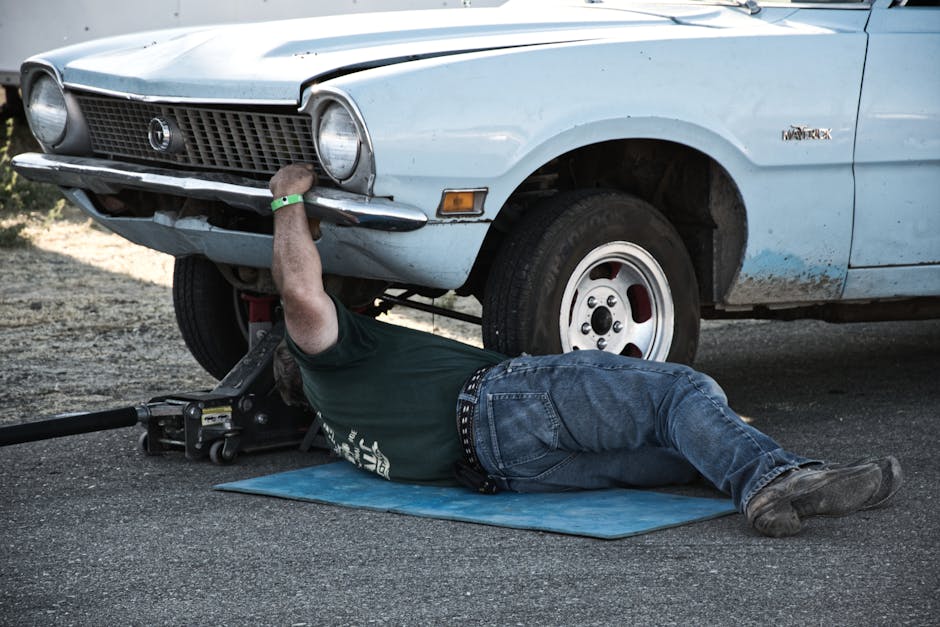
- Maintenance Overload: Systems break down constantly in a rolling home, requiring either deep DIY patience or expensive mobile tech bills.
- Social Isolation: Leaving behind established social networks makes building a nomadic community harder than expected.
- Budget Creep: Fuel spikes, campground price surges, and propane costs often outpace fixed retirement incomes.
Actionable Strategies for Long-Term RV Success
If you want to beat the two-year exit trend, you need to treat full-time RVing as a lifestyle design project rather than an endless vacation. Slow down your pace, establish a realistic financial safety net, and prioritize your personal well-being on the road.
- Adopt the Slow-Travel Mindset: Stay at least two to four weeks in a single location to reduce driving stress and integrate into the local community.
- Build an Emergency Fund: Keep a dedicated cash reserve specifically for sudden mechanical failures or medical emergencies.
- Master Rig Maintenance Basics: Learn how to fix minor plumbing, electrical, and chassis issues yourself to save time and money.
- Protect Your Personal Space: Give each other breathing room by taking solo walks or designating quiet hours inside the rig.