




Are HOA RV Parking Bans Enforceable?
If you recently purchased an RV only to receive a violation notice from your HOA, you aren't alone. In most cases, if your community has Covenants, Conditions, and Restrictions (CC&Rs) that explicitly prohibit recreational vehicles, they are legally enforceable.
When you signed your home purchase agreement, you effectively entered into a contract to abide by these governing documents. Courts generally uphold these rules as long as they were recorded at the time of your purchase and are applied consistently across the neighborhood.
Practical Steps to Resolve Parking Disputes
Before you consider selling your rig or listing your home, take a proactive approach to the situation. Follow these steps to navigate the bureaucracy of your homeowner's association:
- Review your specific CC&Rs for exact wording regarding size, height, and visual obstruction requirements.
- Check with your local municipality; sometimes city ordinances override HOA rules if they are overly restrictive or discriminatory.
- Request a variance or a temporary parking permit if you only need the RV in the driveway for loading or cleaning.
- Propose a "screening" solution, such as adding professional landscaping or an approved privacy fence to hide the RV from street view.
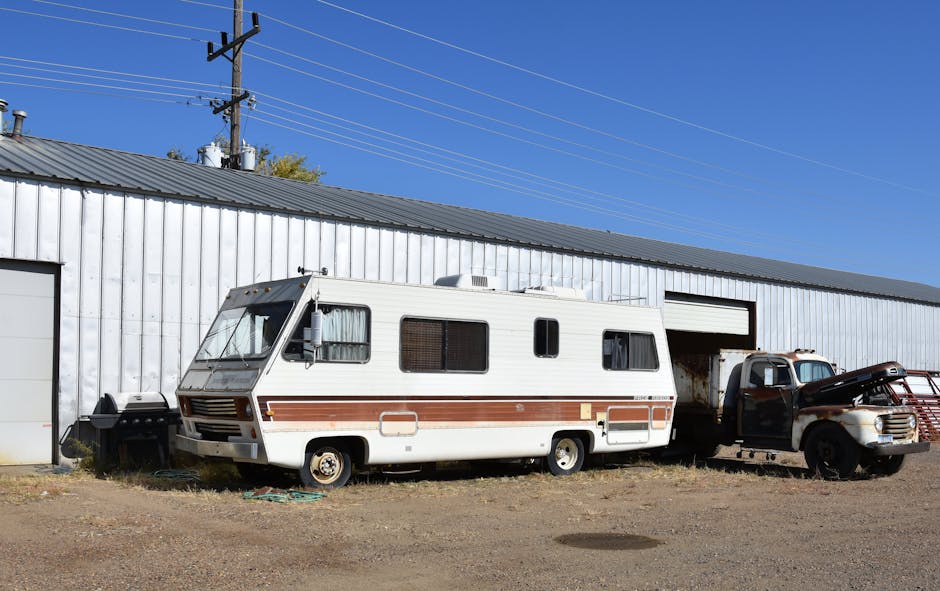
Finding Long-Term Alternatives
If your HOA remains firm, it is time to shift your strategy toward external storage. Relying on street parking or commercial lots can be risky and often leads to fines or vehicle towing.
Look for secure, gated facilities that offer specialized RV parking. Features like 24/7 camera surveillance, climate-controlled options, and dump stations provide much better peace of mind than leaving your investment exposed in a driveway where it may be damaged by weather or neighborhood disputes.