



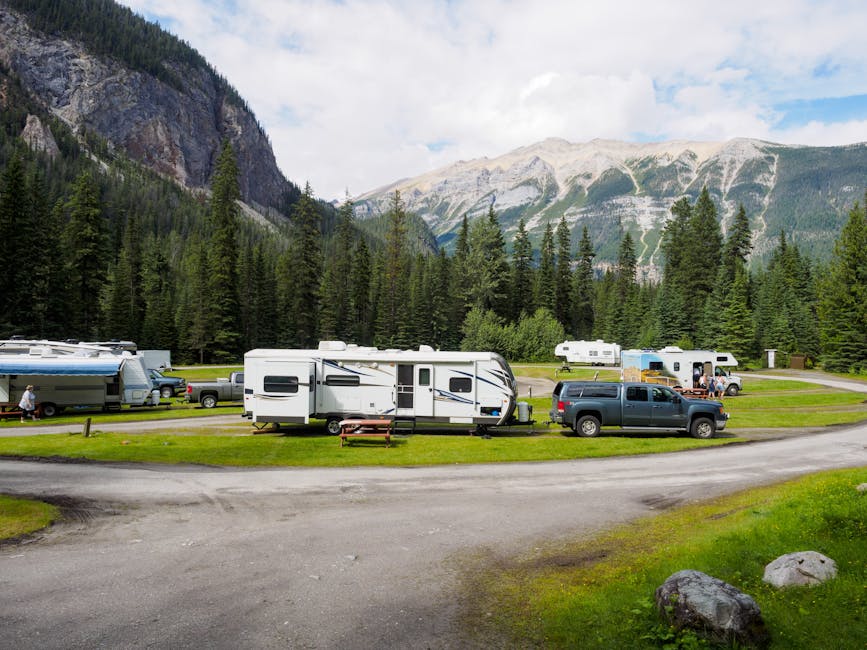
The Shifting Landscape of RV Regulations
The legal landscape for RV owners is changing rapidly. Cities from Seattle to Palo Alto are currently debating or implementing stricter ordinances regarding where and how long you can park your rig. It is no longer enough to just find an open spot; you must now be an expert on local zoning ordinances to avoid unpleasant surprises.
Recent cases, such as the resident in Pleasant Prairie who faced a $701 fine, highlight the importance of checking local municipal codes before parking on private property or even in your own driveway. Ignorance of the law is rarely a valid defense when a code enforcement officer is writing a citation.
How to Research Zoning Before You Travel
Check Official Municipal Portals
Before heading to a new city, search their official government website for "recreational vehicle parking ordinances." Most cities have specific rules regarding setbacks, visibility from the street, and maximum stay durations for RVs stored on residential lots.
Stay Aware of State Park Pricing
It isn't just city streets that are changing; NC State Park pricing increases are a prime example of how public land management is evolving to meet demand. Always verify current nightly rates and permit requirements through official state park portals before your arrival to avoid budget-busting fees.
Practical Tips to Avoid Legal Trouble
- Verify overnight status: In cities like Seattle, verify if a specific permit is required for residential street parking, as requirements can change overnight.
- Confirm HOA/CC&R rules: Even if a city allows RV parking, your local Homeowners Association may have stricter bylaws that supersede municipal law.
- Use established campgrounds: When in doubt, utilize verified sites like [All Time Favorite Campgrounds](/park/all-time-favorite-campgrounds) to ensure you are operating within local zoning and safety guidelines.