




The Current Climate: Why RV Parking is Under Siege
If you feel like RV parking regulations are getting stricter, you are not imagining it. From Wheat Ridge to Los Angeles, city councils and local authorities are actively tightening ordinances regarding street parking and business-adjacent RV storage.
Recent crackdowns, including sheriff-led ticketing for daylighting violations, highlight the need for every owner to be hyper-aware of local codes. Ignoring these signs can lead to more than just a ticket; in extreme cases, it can escalate to legal standoffs and vehicle impoundment.
Navigating HOA and Neighborhood Restrictions
The most common frustration for RV owners is the dreaded HOA "no-parking" clause. Many homeowners believe that because they own their property, they have the right to store their vehicle in their own driveway.
Unfortunately, when you signed your HOA deed restrictions, you agreed to specific covenants. If those bylaws prohibit visible RV parking, they are generally legally enforceable, even if you own the land.
Actionable Steps for HOA Disputes
- Review your original CC&Rs (Covenants, Conditions, and Restrictions) to check for vague language.
- Request a variance or permission to install "stealth" screening, such as privacy fencing that hides the rig from street view.
- Check local zoning laws to see if they override HOA rules; in some states, "Right to Park" legislation is gaining traction.
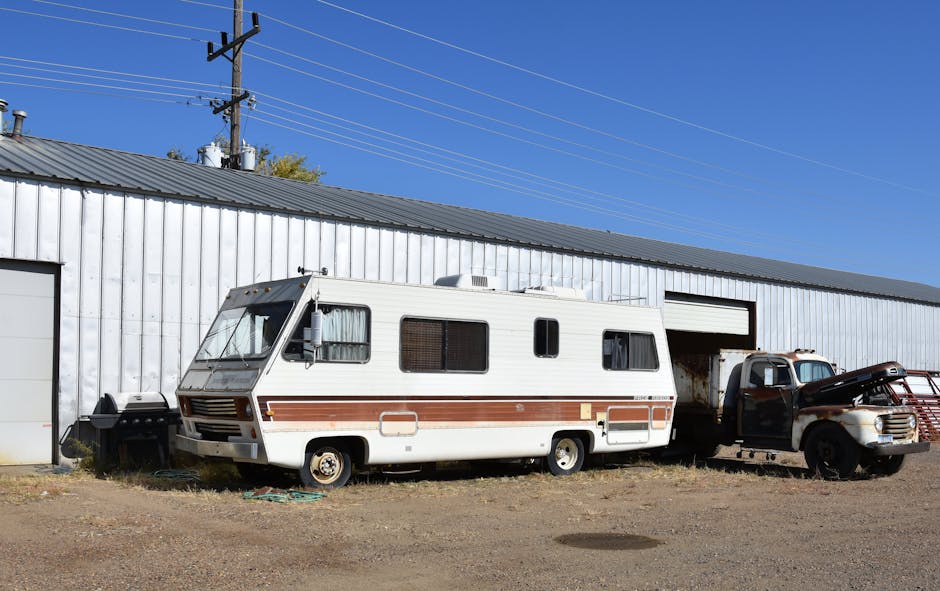
Smart Storage Solutions for Peace of Mind
If you cannot park at home, do not risk the legal fallout of street parking in prohibited zones. Look for reputable storage facilities that prioritize security and accessibility.
When choosing a location, consider proximity to your home and the level of security provided. It is always better to pay for a secure spot than to pay recurring municipal fines for illegal parking.
Red Flags to Watch For
- Unfenced or poorly lit outdoor lots that invite theft.
- Storage sites that lack proper zoning permits, as they could be shut down by the city without notice.
- Lack of 24/7 access, which can be a major inconvenience for spontaneous weekend trips.