




The Shifting Landscape of RV Parking
Municipalities from Seattle to Palo Alto are currently rethinking how they handle RVs in urban areas. Whether it's new permitting requirements, bans on oversized vehicles, or proposals for designated parking, the goal for cities is often to balance local infrastructure limits with the needs of transient travelers.
If you are planning an extended trip, you cannot assume that street parking that worked last year will be available today. Always check local city council websites for the latest zoning updates before you arrive.
Practical Tips for Legal Parking
1. Research Before You Roll
Before entering a new city, research if there are bans on oversized vehicles. Many cities are moving toward creating designated parking areas, which offer a safer and more legal alternative to street parking.
2. Don't Overstay Your Welcome
Many RVers wonder if they can camp indefinitely at an RV park. While private parks are generally more flexible than public land, they have their own internal policies and state-level residency laws that may eventually classify you as a tenant rather than a guest.
3. Use Designated Facilities
When considering spots near public areas like Legion Park, always verify local signage. While areas like Legion Park may be attractive, they often draw scrutiny from local officials who are tasked with balancing tourism with residential concerns.
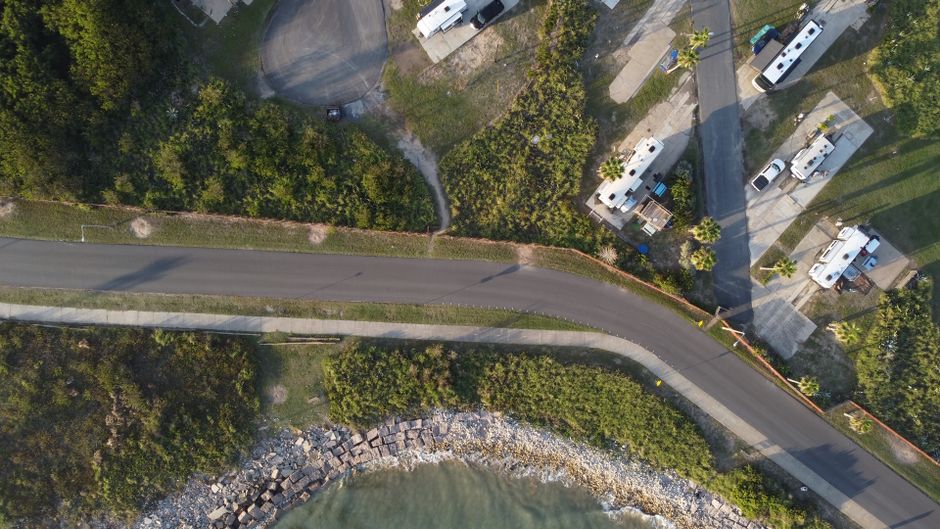
Staying Compliant While Traveling
The best defense against fines or towing is transparency and preparation. Here are a few ways to ensure you stay within the law:
- Always call the local non-emergency police number or the city planning department if you are unsure about overnight parking rules.
- Prioritize stays at established RV resorts or managed campgrounds over street parking.
- Be aware of your RV's dimensions, as many new ordinances specifically target vehicles over a certain height or length.