



The Current Climate: Why RV Rules are Changing
From urban centers like Seattle implementing new street parking restrictions to rural counties rejecting campground proposals, the legal landscape for RV owners is becoming more restrictive. Municipalities are increasingly prioritizing housing initiatives and noise control, which often results in tighter oversight of where oversized vehicles can spend the night.
Staying informed is your best defense. Whether you are tailgating at a stadium or planning a long-term stay, local ordinances change without much warning. Always check municipal websites or verify status through trusted platforms like RVParx before finalizing your itinerary.
Where to Stay: Compliance and Convenience
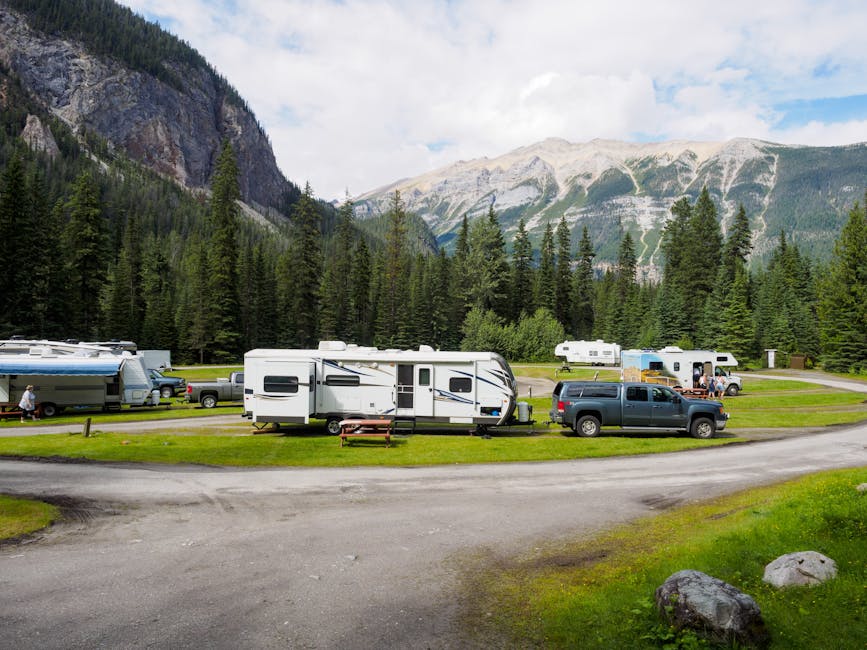
When public street parking becomes legally grey or outright banned, professional campgrounds remain your safest bet. Facilities like Wood's Tall Timber Resort provide established infrastructure that is immune to fluctuating city street parking bans.

If you are traveling through Mississippi, you might consider Burnside Lake Park. Utilizing these registered parks ensures you aren't violating local zoning codes that often prohibit overnight parking in residential or commercial zones not specifically designated for RVs.

Actionable Tips for Avoiding Zoning Fines
- Always verify the specific "Oversized Vehicle" ordinances for the city you are visiting, especially near major sports venues or downtown hubs.
- Never assume "No Parking" signs apply only to cars; many cities have separate, stricter rules for RVs and trailers.
- When in doubt, book a site at a proven resort like Wood's Tall Timber Resort to secure a legal, permitted spot for your vehicle.
- Monitor regional news regarding land-use permits, as rejected campground proposals can limit available spots in popular vacation areas.