




The Reality of RV Park Living
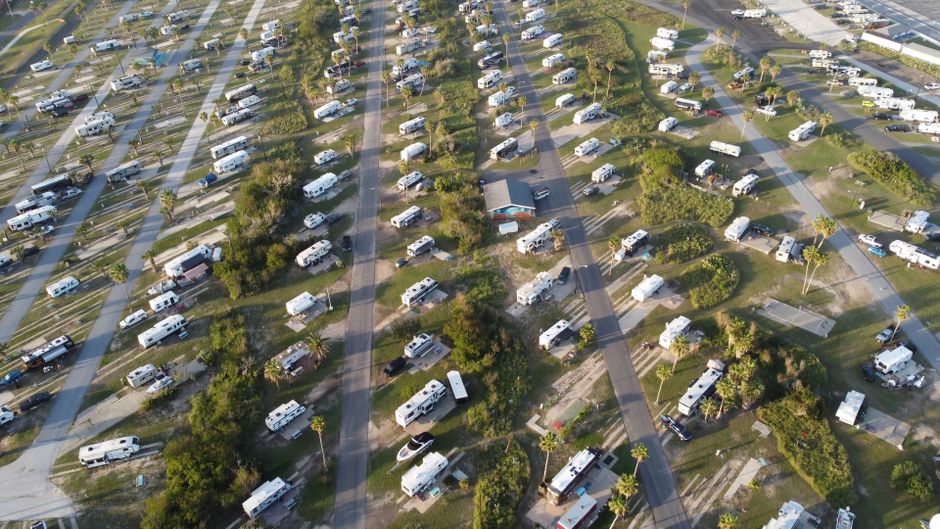
Living full-time in an RV park offers a unique sense of freedom, but it also places you in a high-density community. Much like apartment living, you will encounter diverse personalities, varying levels of noise, and different interpretations of park rules. While some parks foster tight-knit, supportive circles, others can develop toxic dynamics if communication breaks down.
The key to longevity on the road is recognizing that not every park is a perfect fit. If you find yourself frequently clashing with neighbors or frustrated by park management, it might be time to move on. Developing a 'scout-first' mentality—where you test a park for a few days before committing to a long-term stay—can save you from being trapped in an environment that doesn't align with your values.
Managing 'Camp Crybabies' and Park Politics
Whether it is a dispute over quiet hours or issues with management, conflict is inevitable when people share tight quarters. When dealing with difficult management or 'camp crybabies'—those who seem to take issue with every little thing—stay professional and keep a paper trail.
It is important to remember that industry events, such as the upcoming LARVC conference, are working to improve professionalism across the sector. Park operators are constantly learning how to balance the needs of diverse traveler demographics. If you feel like an environment is truly toxic, document your concerns and look for parks that prioritize clear, transparent communication over micromanagement.
Coexisting with Families and Full-Time Kids
One of the most common points of friction in long-term parks is the presence of children. Full-time families are a growing demographic in the RV lifestyle, and kids lingering in communal spaces is a sign of a vibrant, active community. Instead of viewing their presence as a nuisance, consider how you can contribute to a respectful co-living environment.
Respect goes both ways. If the noise levels become excessive, a polite, direct conversation with parents usually goes much further than passive-aggressive complaints. Most RVing families are mindful, and they are simply trying to navigate the same lifestyle challenges you are.
Choosing Your Next Destination
The best way to avoid a toxic environment is to choose your next stop carefully. Look for parks that explicitly state their policies regarding long-term stays, quiet hours, and family amenities. Sites that are involved in regional organizations or industry conferences often maintain higher standards of service and community management.
- Read recent, specific reviews on social platforms, not just star ratings.
- Ask about the park's demographic; is it mostly retirees, young families, or weekenders?
- Prioritize parks with clear, written community guidelines provided at check-in.