




Understanding the Shift in RV Local Ordinances
Municipalities across the United States are increasingly tightening the reins on how and where recreational vehicles can be parked. Recent headlines reveal cities implementing strict bans—such as prohibiting RV parking within 100 feet of residential homes during evening hours—while other communities debate even broader restrictions. As an RVer, staying ahead of these changing laws is crucial to avoiding unexpected citations, towing fees, and midnight knocks from local law enforcement.
Local regulations often stem from a mix of aesthetic concerns, limited street space, and safety complaints regarding blocked lines of sight. Whether you are passing through a bustling metro area or visiting a scenic mountain corridor near major outdoor destinations, assuming you can park anywhere is a gamble. Understanding how to decode local signage and municipal codes will save you both money and hassle.
Navigating Street Parking and Overnight Restrictions
Street parking laws vary wildly from one municipality to the next. What is fully legal in one town might carry a heavy fine just a few miles down the road in the next jurisdiction. When navigating overnight stays and daytime parking, keep these practical steps in mind:
- Check local municipal codes online before entering city limits, especially regarding oversized vehicle bans.
- Pay close attention to distance requirements from intersections, driveways, and residential structures.
- Never rely solely on popular travel apps without cross-referencing local ordinances posted on city websites.
- Have a backup campsite or legal overnight parking spot secured before evening hours begin.
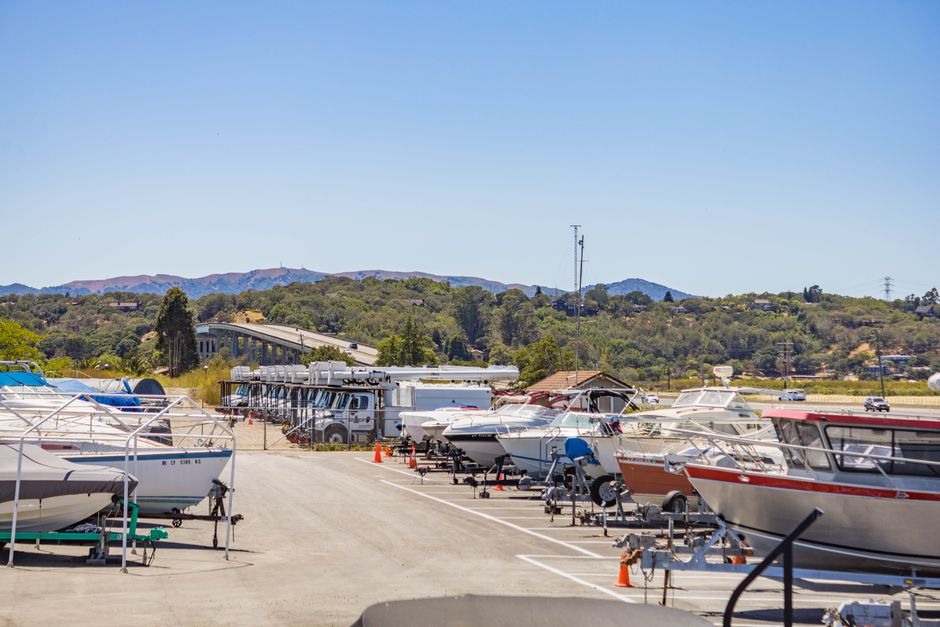
Enforcement is notoriously strict during peak travel and winter seasons. In regions heavily trafficked by outdoor enthusiasts heading toward major natural attractions, local authorities actively monitor for unauthorized long-term street dwelling. Utilizing legitimate campgrounds or designated overnight stops remains the safest bet.
Long-Term and Off-Season Storage Regulations
Storing your rig when not in use is another regulatory minefield. Many homeowner associations (HOAs) and residential neighborhoods outright ban keeping RVs, trailers, boats, and snowmobiles visible in driveways or on the street. Failing to comply can result in swift daily fines from your HOA or municipal code enforcement.
Best Practices for Compliant Storage
- Secure an off-site commercial storage facility that specifically accommodates oversized recreational vehicles.
- Ensure your chosen storage yard offers secure perimeter fencing, surveillance, and proper winterization access if you live in a cold climate.
- Verify that your vehicle insurance policy covers your rig while parked in long-term storage facilities.
- Inspect local zoning laws if you plan on parking your RV on private property that you own outside city limits.
By staying proactive and respecting local legislation, you ensure that your road trips remain focused on adventure rather than legal disputes. Always do your homework on local codes before dropping your stabilizers.