




The Changing Landscape of Urban RV Parking
If you have traveled through major metropolitan areas lately, you have likely noticed a sharp shift in how cities treat parked motorhomes and trailers. Recent policy changes in cities from Seattle to Palo Alto highlight a growing national trend: municipalities are aggressively tightening restrictions on street camping and overnight vehicle habitation.
New ordinances frequently introduce strict caps—ranging from two-hour daytime limits to outright overnight bans within specific distances of residential properties. For full-time travelers and road-trippers, understanding these shifting local laws is no longer optional. Ignorance of an ordinance can quickly result in hefty fines, booted wheels, or an unexpected towing fee.
Decoding New Municipal Restrictions
Local governments utilize various mechanisms to regulate oversized vehicles and long-term street parking. Knowing what to look for on local signage will keep you out of trouble.
- Time Limits: Many cities now cap continuous street parking for oversized vehicles at two to four hours, effectively eliminating daytime staging spots.
- Overnight Curfews: Popular ordinances ban RV parking entirely between specific hours, such as 8 p.m. to 8 m., particularly within 100 feet of residential homes.
- Permitting Programs: Some forward-thinking municipalities are testing special short-term permitting programs or designated safe-parking lots for residents transitioning out of RVs, though spaces are often extremely limited.
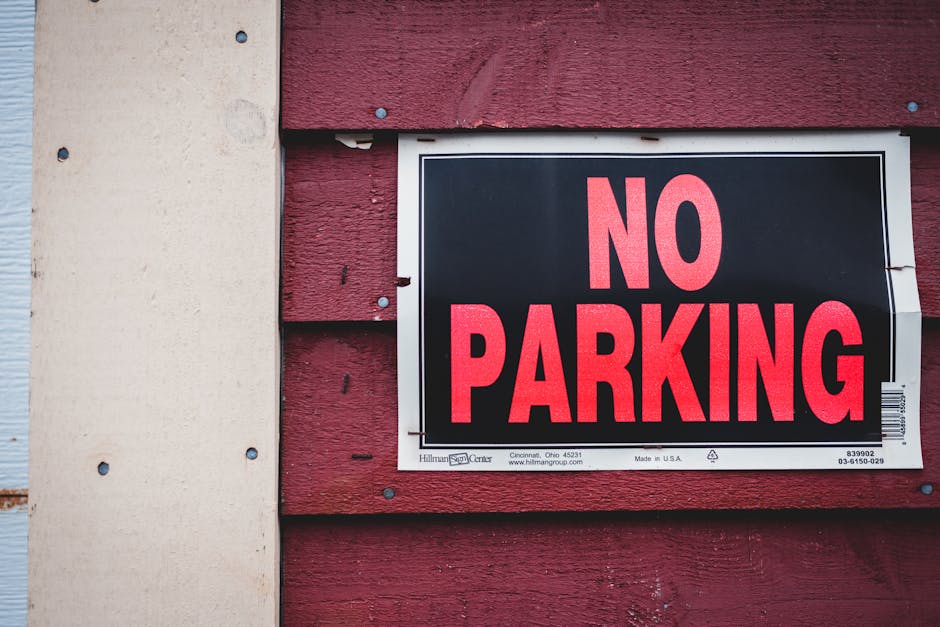
Always check local municipal codes before setting up camp on a public street. Assuming that a quiet industrial zone or wide avenue is fair game can lead to an early morning knock from local law enforcement.
Smart Strategies for Finding Safe, Legal Overnight Stops
When urban street parking is heavily restricted, you need a reliable backup plan. Relying on established infrastructure protects your budget and your peace of mind.
- Utilize Established Campgrounds and RV Parks: Book private parks, state parks, or federal lands where overnight stays are fully authorized and hookups are available.
- Secure Permission for Big Box Retailers: Always ask the store manager directly if overnight stays are permitted in their parking lot, even if apps list the location as friendly.
- Check County vs. City Rules: Sometimes municipal boundaries have harsh bans, while adjacent county-administered roads offer more lenient temporary parking allowances.
Staying flexible and doing your research ahead of time prevents stressful late-night scrambles. Keep your setup mobile, respect local residents, and always have an alternate destination programmed into your GPS.