




The Shifting Landscape of Local RV Ordinances
Municipalities nationwide are rewriting the rules of the road when it comes to oversized vehicles. Recent headlines from cities like New Bedford, where mayors are pushing for strict bans on overnight RV and camper parking, signal a growing trend of tighter restrictions. From New England to the Pacific Northwest—as seen in debates over Seattle’s ongoing RV management and mayoral vetoes in cities like Wilson—local governments are responding to overcrowding and community complaints with heavy-handed parking reforms.
As an RVer, ignoring these municipal codes can lead to unexpected knocks on your door, expensive citations, or even having your home-on-wheels towed away. Understanding how these ordinances work is no longer optional; it is a core survival skill for modern road-tripping. Staying informed keeps your travels stress-free and your wallet safe from predatory municipal fines.
How to Research Local Parking Laws Before You Arrive
Never assume that a quiet street or a massive shopping center parking lot is fair game for an overnight stay. Municipal codes vary wildly from one town to the next, sometimes changing the moment you cross a county line. Always do your digital reconnaissance before rolling into a new destination.
- Check the city’s official municipal code website for specific keywords like oversized vehicle parking, overnight camping, and commercial vehicle restrictions.
- Use specialized traveler apps and forums to read recent reviews from fellow RVers who have stayed in the area.
- Call the local non-emergency police line or city hall if the code language is ambiguous regarding self-contained camper vans or travel trailers.
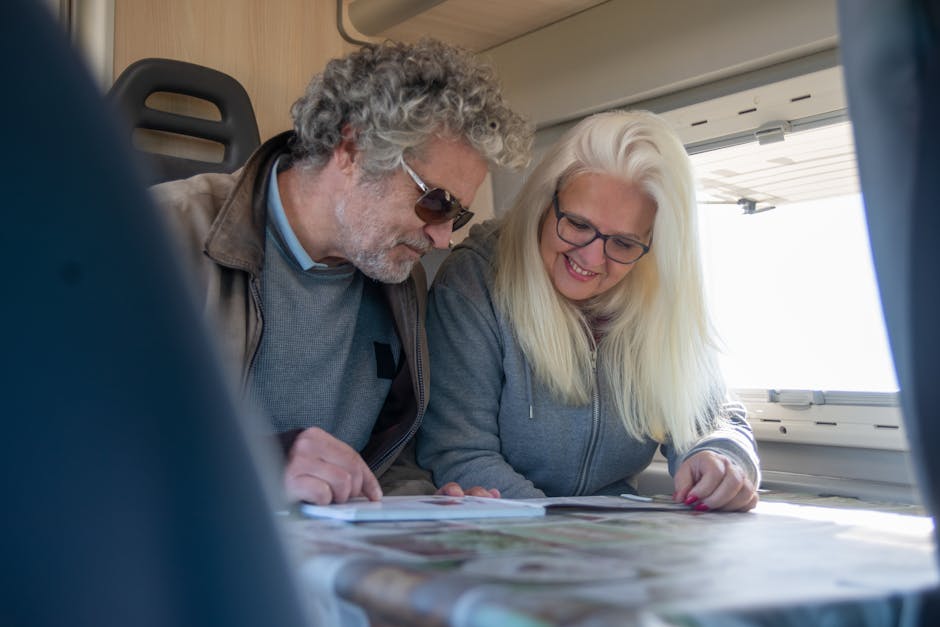
Alternative Overnight Options When Street Parking Fails
When local ordinances outlaw street sleeping and overnight rest stops, you need a reliable backup plan. Relying on sheer luck in a strictly regulated municipality is a fast track to a midnight relocation. Instead, build a network of guaranteed safe havens into your travel itinerary.
Verified Overnight Parking Networks
Big-box retailers, casinos, and farm-stay networks often welcome self-contained RVs for a single night, provided you follow their strict etiquette rules. Always ask permission from management upon arrival, keep your awnings and slides retracted, and never set up camp furniture in a commercial lot.
Public Lands and Managed Campgrounds
When urban environments close their doors to RVs, look outward toward Bureau of Land Management (BLM) land, national forests, or established local campgrounds. These areas are specifically designed to accommodate your rig without the constant anxiety of violating a sudden municipal ordinance.
Golden Rules for Low-Impact, Legal Urban RVing
If your itinerary requires passing through heavily regulated cities, stealth and discretion are your best defenses. While we always advocate for obeying local laws, practicing good citizenship minimizes friction with local residents and law enforcement.
- Keep your stay strictly single-night unless permanent permission is explicitly granted.
- Never deploy leveling jacks, slide-outs, or outdoor grills in a public street or unauthorized commercial space.
- Leave zero trace behind; pack out all trash and respect local noise ordinances by running generators only during permitted daytime hours.