




Understanding Shifting City Ordinances and RV Parking Bans
RV parking laws are evolving rapidly across the country, leaving many travelers and full-timers scrambling to keep up. Recent political friction and legislative vetoes, such as those seen in major metropolitan areas like Seattle, highlight how quickly local policies can change regarding overnight street parking and permitted zones.
When visiting unfamiliar municipalities, never assume that overnight street parking is allowed just because other commercial vehicles or vans are present. Always check municipal codes ahead of time or rely on established RV parks and designated campgrounds to avoid hefty fines, wheel boots, or unexpected towing.
- Research local municipal codes regarding oversized vehicle parking before arrival.
- Monitor city council updates if you plan on staying in an urban area for an extended period.
- Have a backup plan, such as a verified campground or private property, if street parking restrictions suddenly tighten.
Weather Emergencies: Adapting When Nature Disrupts Your Stay
Local ordinances are not the only unexpected hurdles RVers face. Sudden environmental crises, such as rising river levels along the Gulf Coast, can force emergency evacuations and the swift drying out of low-lying parks. Keeping a close eye on regional weather alerts is a critical survival skill for life on the road.
Flash flooding, severe windstorms, and rapid seasonal changes require immediate action. Knowing your evacuation routes and keeping your freshwater and fuel tanks at usable levels can make all the difference when a weather advisory turns into a mandatory evacuation order.
- Sign up for local emergency weather alerts for every county you visit.
- Keep your tow vehicle hitched or your motorhome engine maintained for instant departure.
- Identify high-ground evacuation points before setting up camp in flood-prone regions.
Best Practices for Staying Compliant and Safe
Balancing urban exploration with rural tranquility means staying informed, flexible, and respectful of local communities. Building good relationships with local park managers and staying active in RV community forums will give you early warnings about changing regulations and safety alerts.
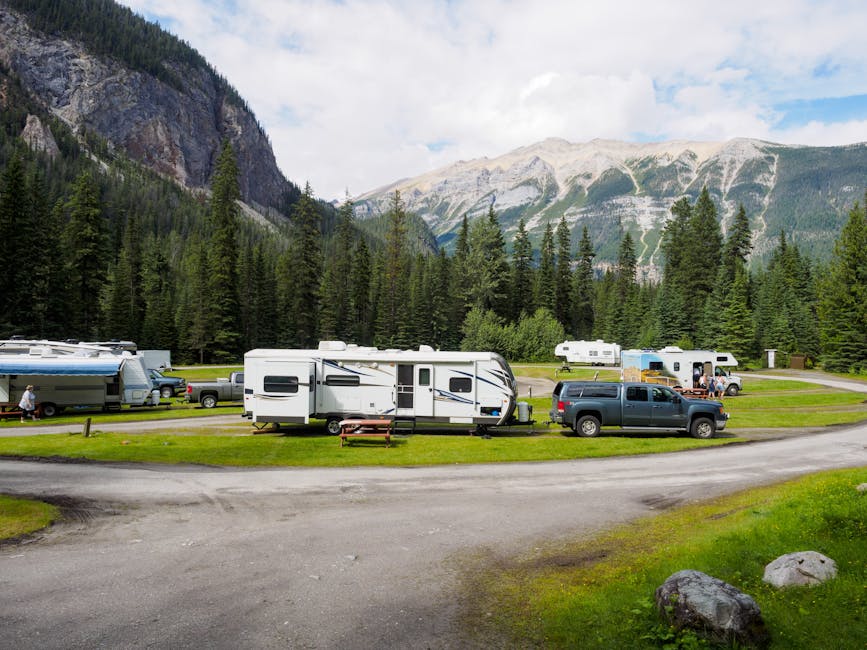
Ultimately, the best defense against regulatory crackdowns and weather threats is proactive planning. Always have multiple backup locations saved in your travel planner so you can pivot instantly when local laws or environmental conditions shift.