




The Shifting Landscape of Municipal RV Laws
Municipalities across the country are cracking down on mobile living. Recent headlines from cities like New Bedford, where mayors have proposed strict bans on overnight RV and camper parking, highlight a growing trend. Campers and motorhomes are increasingly facing residential curbside restrictions, height limits, and total bans on street sleeping.
Whether you are traveling full-time or taking a weekend trip, staying ahead of these changing laws is crucial. Ignorance of local ordinances rarely excuses a hefty parking ticket or a sudden midnight knock from local law enforcement. Understanding why these laws are passed helps you anticipate where you can park safely without disrupting local communities.
Why Cities Are Banning Overnight RV Parking
Local governments often introduce overnight RV parking bans in response to specific community complaints. Common triggers include long-term unauthorized camping, environmental concerns regarding gray water dumping, and limited street space in densely populated neighborhoods.
- Overcrowding in residential zones and commercial corridors.
- Aesthetics and complaints from local property owners about blocked views.
- Improper disposal of waste and trash accumulation.
- Safety hazards caused by oversized vehicles blocking line-of-sight at intersections.
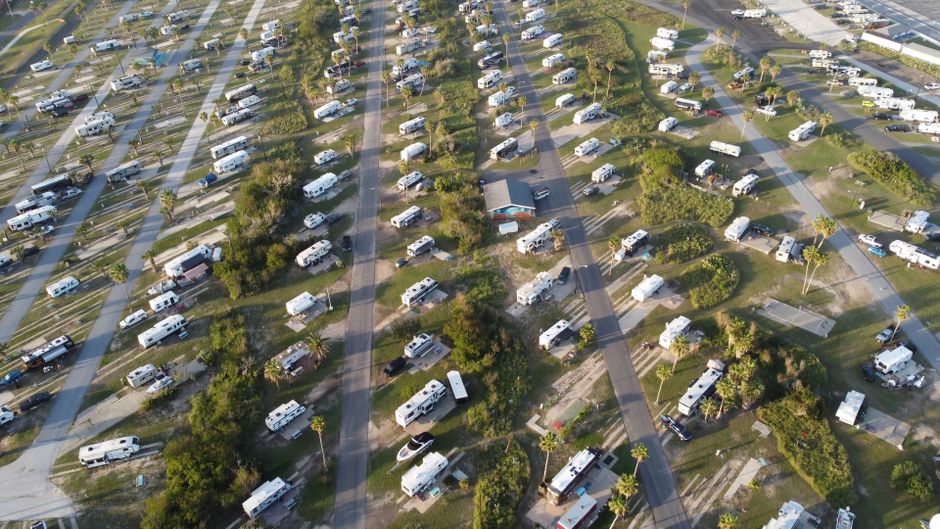
Unfortunately, these broad ordinances often penalize responsible travelers who simply need a safe place to rest for a single night while passing through a region.
Actionable Strategies for Legal and Stress-Free Parking
Adapting to restrictive local ordinances requires careful planning and a reliable strategy for finding overnight accommodations. Relying on blind luck in an unfamiliar city is a recipe for midnight relocation stress.
- Research municipal codes ahead of time using localized travel apps and municipal websites before entering a new city limit.
- Secure reservations at established campgrounds or RV parks well in advance, especially during peak travel seasons when overcrowding is common.
- Utilize authorized overnight retail parking options, such as big-box stores or highway rest stops, only after confirming local permission and store policy.
- Keep a low profile if staying in transitional urban zones, avoiding slide-out deployment and excessive outdoor gear setup.
Staying Informed on Route Infrastructure
Mega-size construction projects, road widening, and seasonal infrastructure updates frequently impact secondary routes and traditional boondocking spots. Always monitor local travel alerts and trucking notices that might signal sudden changes to parking access along your intended route.
By respecting local ordinances, supporting authorized campgrounds, and planning your stopovers meticulously, you can enjoy your road trip adventures without the constant worry of municipal fines.