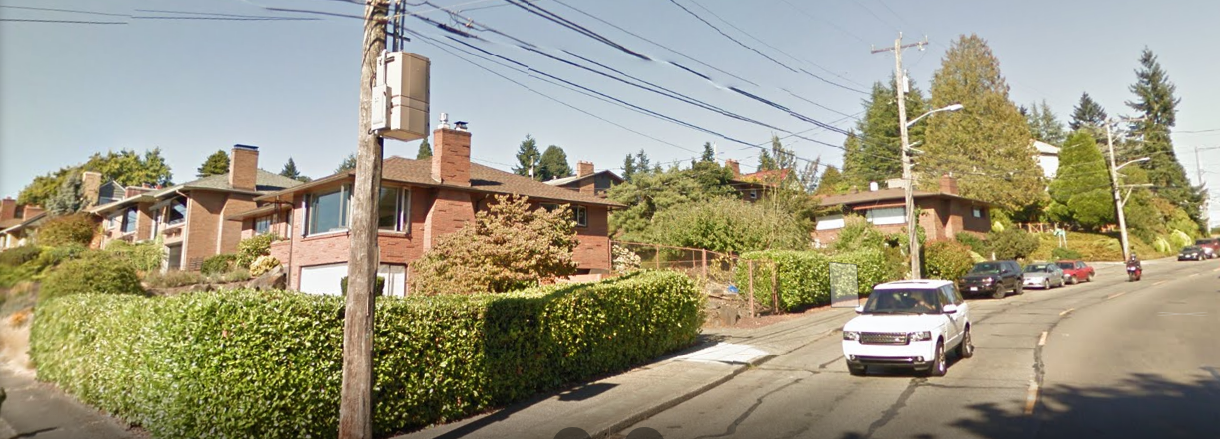



The Shifting Landscape of Local RV Regulations
If you have traveled in a motorhome lately, you have likely noticed a growing patchwork of local ordinances targeting oversized vehicles. From New Bedford mayors proposing sudden overnight parking bans to Seattle's ongoing debates over municipal reform, cities across the country are rethinking how they handle mobile living. Navigating these rules requires constant vigilance, as a safe overnight spot one night can turn into a ticketed offense the next morning.
Understanding why these changes happen helps us adapt. Municipalities often point to limited urban space, environmental concerns, and long-term unauthorized camping as primary drivers for new restrictions. For responsible RVers, staying informed is the best defense against unexpected fines or late-night knocks from local law enforcement.
Decoding Urban Parking Bans and Restrictions
Urban centers present the toughest hurdles for overnight RV parking. Many metropolitan areas enforce strict limits on how many consecutive hours an oversized vehicle can occupy a public street. Even daytime parking can trigger complaints if a camper extends past standard parking space markers or blocks line-of-sight at intersections.
Key Warning Signs to Watch For
- New signage prohibiting oversized vehicles between specific overnight hours.
- Height and length restriction signs posted at popular scenic pull-offs.
- Local residential parking permit zones that exclude commercial or recreational vehicles.
- Increased presence of municipal parking enforcement actively ticketing unhitched trailers.
Finding Safe Haven Near Major Cities
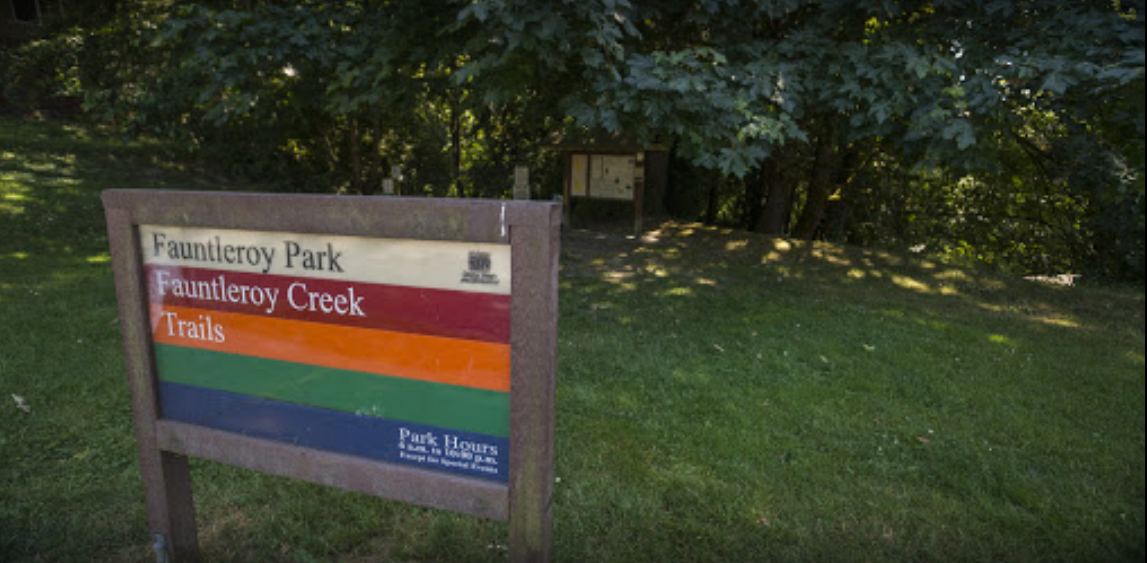
When municipal street laws tighten up, you need reliable alternatives. Planning your route around established regional parks and designated campgrounds is the easiest way to avoid legal trouble. For instance, when visiting the Pacific Northwest, basing yourself near spots like Fauntleroy Park gives you a peaceful nature escape while keeping you legally parked and fully hooked up.
Always call ahead or check official municipal apps before arriving in a new city. Utilizing dedicated RV storage facilities or private overnight parking networks can also save you the stress of hunting down a legal street spot after dark. Preparation remains your greatest asset on the open road.