




The Great Winterizing Debate: Is Complete Winterization Really Necessary?
Every autumn, RV owners face the age-old question: do I really need to blow out the lines and pump antifreeze, or will a simple space heater suffice? The short answer depends entirely on your local climate, but gambling with freezing temperatures is an expensive mistake.
Water expands when it freezes, creating immense pressure that can shatter plastic fittings, split PEX piping, and ruin your water pump. Even in regions with mild winters, a sudden hard freeze can catch you off guard.
Your Winterization Checklist
- Drain all holding tanks completely, including the fresh water tank and low-point drains.
- Bypass your water heater to avoid wasting gallons of expensive RV antifreeze.
- Use an air compressor to blow out any remaining water from the lines at 30-40 PSI.
- Pump non-toxic RV antifreeze through all faucets, showers, and the toilet valve.
- Pour a cup of antifreeze down every drain trap to protect your P-traps.
Storage Yard Safety: What to Do When Your Trailer Gets Moved
Storing your RV at a dedicated storage facility is convenient, but coming back to find your trailer in a completely different spot can trigger instant panic. Facility managers frequently shift units around to accommodate new arrivals, optimize space, or perform lot maintenance.
While most yards have clauses in their contracts allowing them to move your rig, it is still unsettling. Protecting your investment requires a few proactive steps before leaving your trailer in someone else's care.
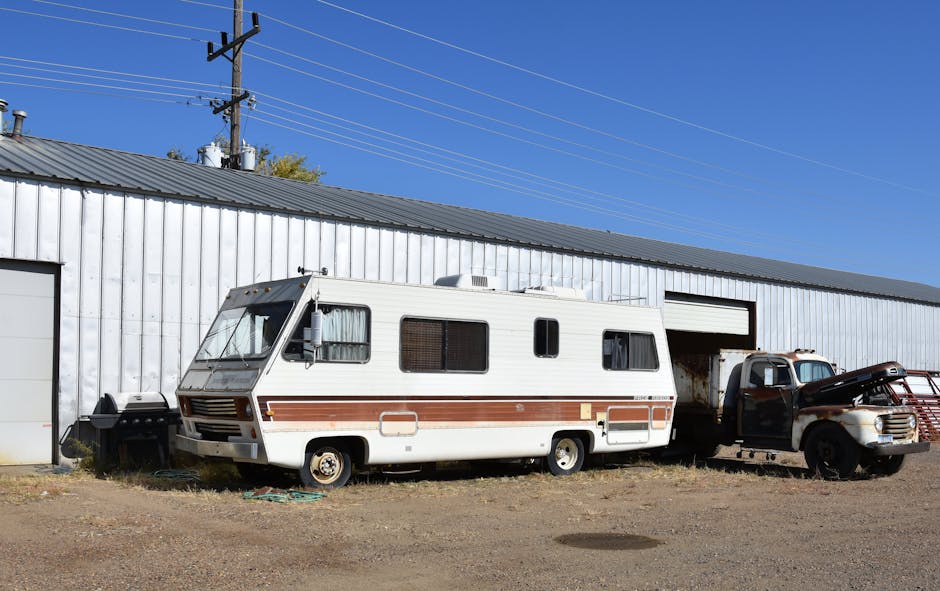
Best Practices for Storage Yard Security
- Always use a heavy-duty tongue lock and a robust wheel lock so the trailer cannot be easily hitched or rolled.
- Take timestamped photos of all sides of your RV before leaving it for extended periods.
- Keep a GPS tracker hidden inside the unit to monitor its exact location in real-time.
- Ensure your insurance policy covers storage facility movements and off-site liabilities.
Powering Up Off-Grid: Are Portable Power Stations Worth It?
If you love occasional weekend trips without hookups, managing your battery anxiety is likely a top priority. Traditional lead-acid batteries are heavy and require careful maintenance, leading many RVers to look into lithium portable power stations.
A quality portable power station acts as an all-in-one solar generator, featuring built-in inverters, AC outlets, USB ports, and DC car ports. They require zero installation, produce no noise or fumes, and can be charged via portable solar panels or your vehicle while driving.
Is a Portable Power Station Right for You?
These units are absolutely worth the investment if you enjoy light boondocking and need to charge laptops, phones, cameras, or run a CPAP machine through the night. However, if you plan to run high-draw appliances like air conditioners or electric space heaters, a standalone portable unit will fall short unless paired with a massive, expensive multi-battery system.