




Mastering RV Storage and Tire Longevity
Proper storage is the foundation of RV longevity. Many owners neglect tire care, assuming a rig sitting still is safe from wear. In reality, UV exposure and weight distribution can cause flat spots and sidewall degradation.
If you are storing your RV, consider using tire covers and keeping them inflated to the manufacturer's recommended PSI. Regarding leveling, always use gear as intended. We have seen reports of Andersen Levelers being used incorrectly in storage facilities—always follow the official manual to ensure your frame doesn't suffer unnecessary stress.
Structural Modifications and Weather Preparedness
Under-Bed Storage Modifications
Thinking of removing drawers from under-bed storage to gain more space? It is a popular mod, but always check for hidden electrical wiring or plumbing runs underneath. Ensure you reinforce any framing you modify so you don't compromise the structural integrity of your bed platform.
Surviving Severe Weather
Severe weather is an RVer’s worst nightmare, as evidenced by the recent damage sustained at Wheeler County RV park. When a storm warning hits, prioritize safety over gear. If your rig is damaged by high winds or debris, conduct a thorough inspection of your roof seams and slide-out seals immediately, as these are the most common points of failure following storm events.
Practical Park Parking Tips
When arriving at a destination, parking on raised blocks is a common practice to level your rig on uneven terrain. Always ensure your blocks are rated for your RV's gross vehicle weight (GVW). Never rely on makeshift wooden scraps that could split under pressure.
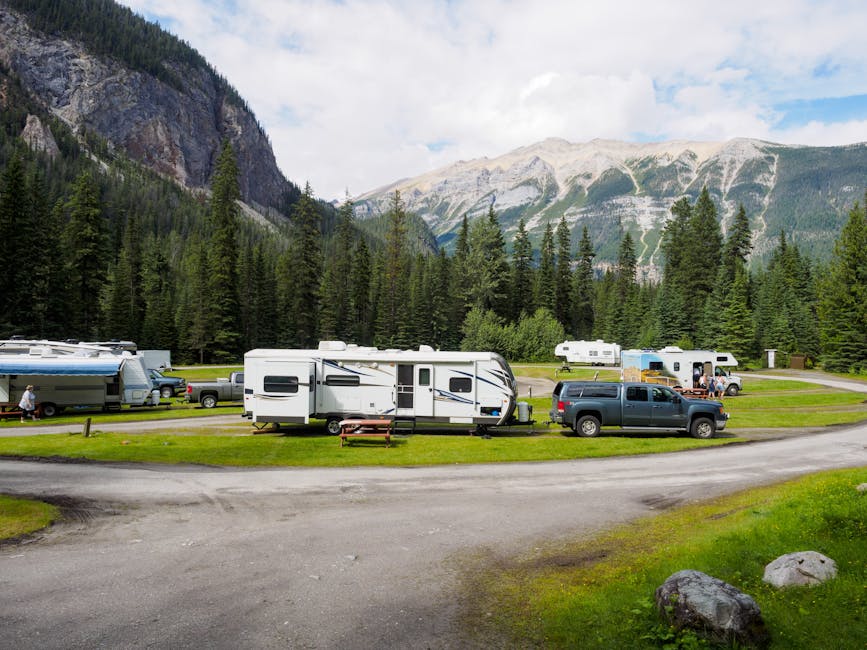
Regularly visiting professional sites like those found in our directory can provide safer, leveled pads that reduce the need for excessive block stacking. A well-maintained site is your first line of defense against long-term chassis wear.