



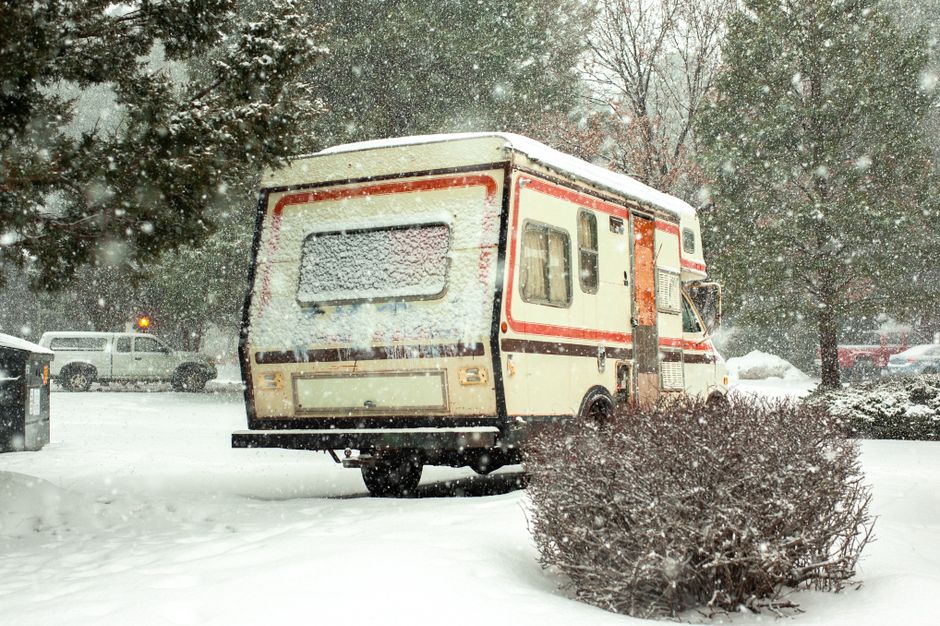
Preparing for the Freeze: Winterization Essentials
When early freeze warnings hit, time is of the essence. Complete winterization is not just a suggestion; it is a necessity to prevent cracked water lines and expensive pump failures. If you are a first-timer, keep in mind that most standard travel trailers require 2 to 3 gallons of RV-specific antifreeze to flush the system effectively.
Don't forget to drain your water heater and bypass it before adding the 'pink stuff'. Ensure you run the solution through every faucet, including the outdoor shower and toilet, until you see consistent color. Ignoring these steps can turn a simple season-end chore into a massive spring repair bill.
Storage Best Practices: Tires, Levels, and Structure
Tire Care and Leveling
Parking on raised blocks is a great way to take the weight off your tires during long-term storage, which helps prevent flat spots and dry rot. If you use leveling aids like Anderson Levelers, ensure they are placed correctly under the tire surface, not just shoved beneath the frame. Proper usage ensures the weight is distributed evenly across the tire tread, not the rim.
Optimizing Your Interior
Many owners ask about removing under-bed storage drawers to improve airflow or access mechanical components. While this can provide more crawl space, ensure you are not compromising the structural integrity of the bed platform. Always verify that your mattress support remains stable before hitting the road again.
Choosing the Right Environment
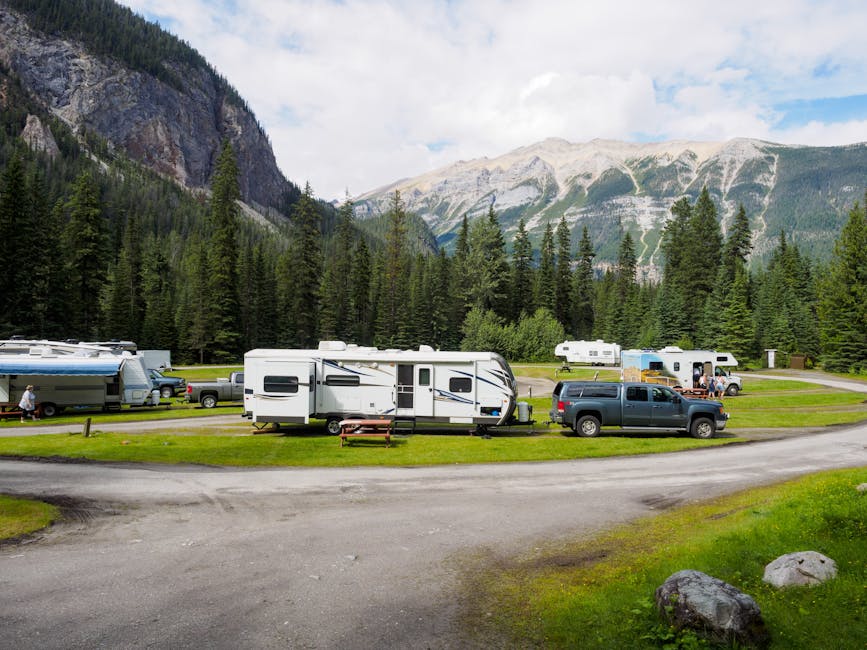
Whether you are designing custom RV storage buildings or looking for covered storage at a facility, ventilation is your best friend. Covered storage is highly recommended to protect your roof seals from UV damage and prevent debris buildup. When storing your rig, always aim for a facility that keeps your tires off the dirt, as moisture from the ground is a leading cause of premature tire degradation.