



Winterization 101: Preparing for the Freeze
When temperatures drop, water left in your plumbing system is your biggest enemy. If you're a first-timer, winterizing might seem daunting, but it's essential to avoid costly burst pipes. On average, you will need 2 to 3 gallons of RV-specific antifreeze to flush your lines properly.
Is Complete Winterization Necessary?
Many wonder if they can skip winterization if they live in a mild climate. The rule of thumb is simple: if the temperature drops below freezing for even a few hours, you are at risk. Always drain your low-point drains and water heater before adding pink antifreeze.
Smart Storage Strategies
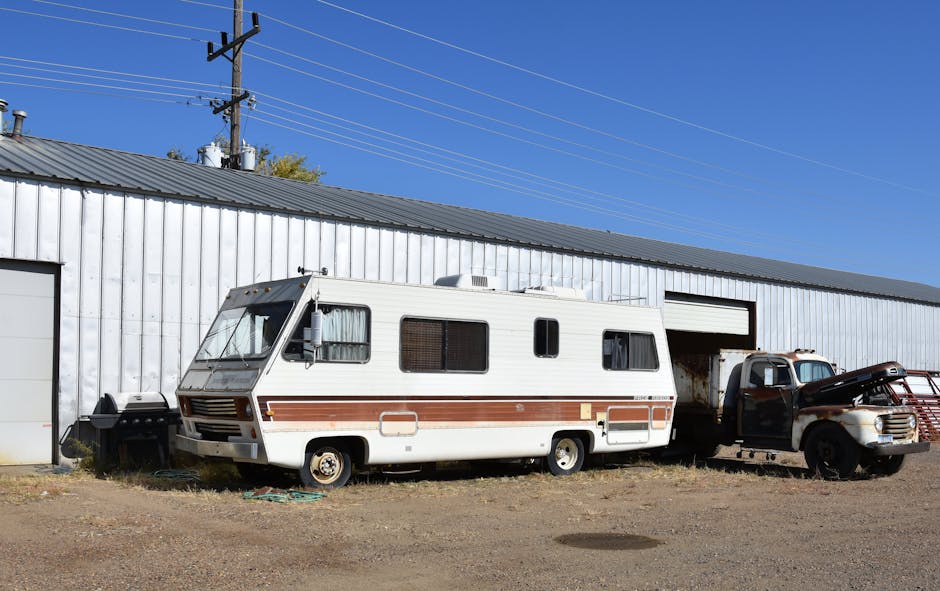
Whether you are using a covered storage facility or parking on your own property, protecting your rig from the elements is critical. Many owners opt for covered storage to reduce UV damage to the roof and tires. If you have to store your rig on uneven ground, consider using high-quality blocks to keep the suspension level.
Tires and Under-Bed Storage
UV exposure and sitting in one spot can degrade tires quickly. Use tire covers and, if possible, keep the rig moving slightly every few months. Inside, if you are looking to maximize space, removing bulky factory drawers under the bed is a common hack to access hidden storage compartments, though be mindful of the structural framing.
Planning Your Storage Space
Building or renting the right storage environment makes a massive difference in the longevity of your RV. If you are designing a dedicated structure, ensure there is adequate ventilation to prevent mold and mildew growth. Always verify that your flooring is designed to handle the heavy load of a motorized RV or large travel trailer.
- Clean the interior thoroughly before storage to prevent pests.
- Remove all food items and batteries if storing for long periods.
- Seal roof seams and check window gaskets for leaks.