




To Winterize or Not? The Harsh Reality
Many new owners ask if a complete winterization is truly necessary. If you live in an area where temperatures drop below freezing, the answer is a resounding yes. A single night of sub-freezing weather can cause thousands of dollars in damage to your water lines and holding tanks.
When facing an early freeze warning, don't gamble. If you can't get to a facility for a full blowout, at least ensure your low-point drains are open and your tanks are emptied.
Plumbing, Tires, and Heating
How Much Pink Stuff?
For first-timers, the amount of RV antifreeze needed varies by rig size. Typically, two to three gallons are sufficient for most travel trailers to displace the water in your lines. Always use non-toxic, RV-specific antifreeze—never use automotive coolant.
Tires and Heating Concerns
Tire maintenance is often overlooked during storage. Inflate tires to the maximum recommended pressure to prevent flat spots, and consider using tire covers to protect the rubber from UV degradation. As for heating under the trailer, it is generally ineffective and creates a fire hazard. Instead, focus on sealing the interior and keeping the unit dry.
Selecting the Right Storage Environment
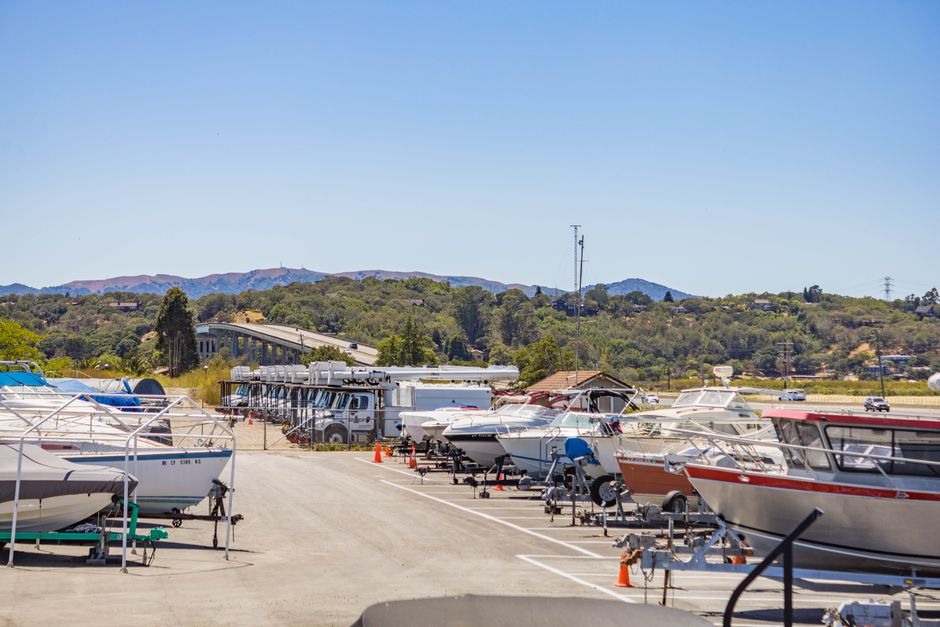
Choosing where to store your RV makes a massive difference in its longevity. While a basic outdoor pad is budget-friendly, covered storage offers the best middle ground by protecting your roof seals from snow load and ice damming.
For those seeking premium protection, look for climate-controlled indoor options. If you are in regions like Colorado, look for sites like the property mentioned in the Grand Junction Daily Sentinel, which offers massive shop spaces, ideal for keeping a motorhome completely shielded from the elements.