



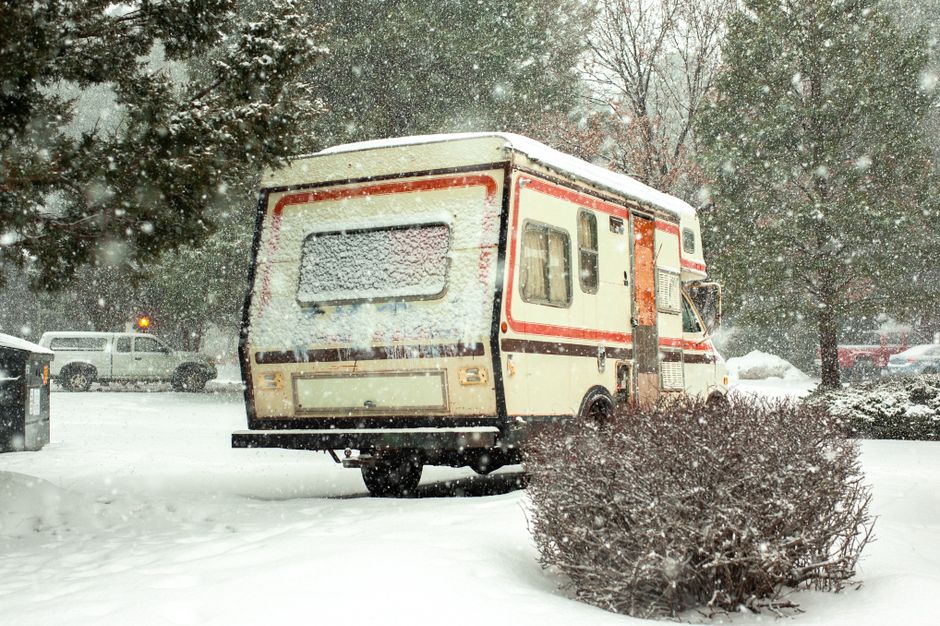
First-Time Winterization: The Essentials
If you're facing your first freeze warning, the most common question is: how much 'pink stuff' do I need? Generally, two to three gallons of RV-specific propylene glycol antifreeze is sufficient for most travel trailers to clear the lines.
Don't forget to bypass your water heater before pumping the solution through. If you're wondering if winterization is necessary, the answer is a hard yes; even a mild freeze can cause hundreds of dollars in plumbing damage.
Storage Best Practices
Where you park matters. If you are using raised blocks, ensure they are level and stable to avoid chassis stress. We often see folks misuse leveling gear, like Anderson Levelers, in storage; remember that these are designed for specific weight distributions and shouldn't be used as long-term stabilizers.

Tire health is critical during storage. If your rig is sitting for months, try to keep the tires off the dirt or use tire covers to prevent UV degradation. Checking pressure periodically is the best way to prevent flat spots or sidewall cracking.
Maintenance Hacks for Long-Term Storage
Before locking up for the winter, clear out under-bed storage areas. Many owners ask if they should remove drawers; it is generally a good idea if you suspect rodents might hide behind them, as it allows you to seal off entry points.
Proactive Planning
- Drain all low-point drains completely before adding antifreeze.
- Use a blowout plug with an air compressor to remove excess water first.
- Remove all perishables and batteries to prevent mold and terminal corrosion.