



Preparing Your RV for the First Freeze
When temperatures drop, water is your greatest enemy. Frozen pipes can lead to expensive, irreparable damage, so acting quickly when an early freeze warning is announced is critical. If you are a first-timer, the most common question is: how much pink antifreeze do I need? Generally, two to three gallons of non-toxic RV antifreeze is enough for most travel trailers and smaller motorhomes, but always check your manual for specific bypass instructions.
If you are debating if full winterization is necessary, the answer depends entirely on your local climate. If temperatures stay below freezing for extended periods, you must evacuate your water lines and pump antifreeze through your system. Skipping this step can lead to burst plumbing and ruined fixtures by spring.
Storage Best Practices: Tires and Parking
Tire Care and Raised Blocks
Parking on raised blocks is an excellent way to prevent moisture wicking from the ground, especially if your RV sits on dirt or grass. This helps avoid premature tire rot and keeps your suspension from bearing unnecessary strain for months. If you plan to store your RV for a long period, cover your tires to shield them from UV damage, which is a major contributor to sidewall cracking.

Optimizing Interior Storage
Many owners ask if they should remove drawers under bed storage to maximize space or improve airflow. While you don't need to remove them, clearing them out is wise to ensure no moisture pockets form behind them. Consider placing moisture absorbers or desiccants in these areas to prevent mildew during the damp winter months.
Choosing the Right Storage Setup
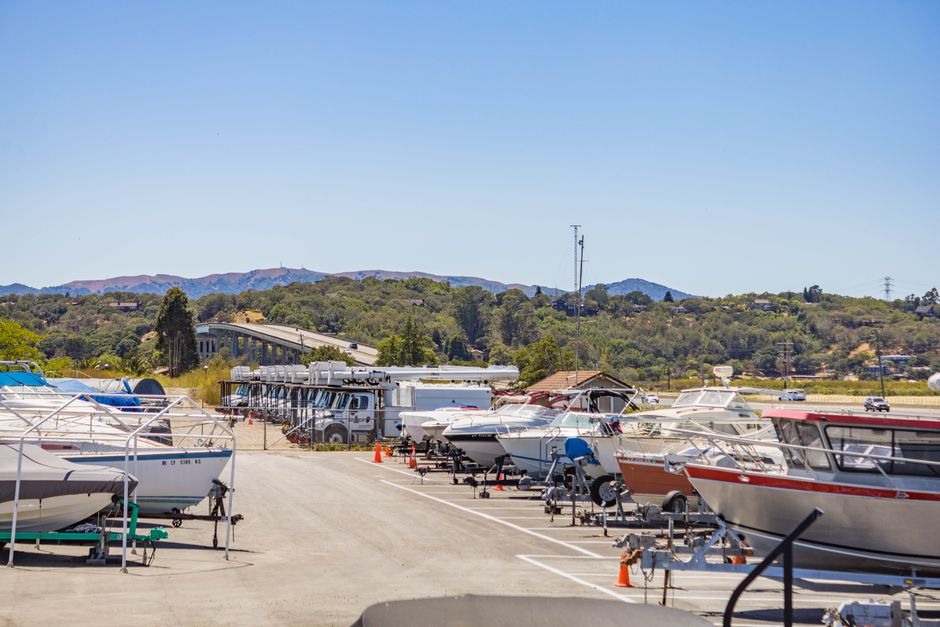
Whether you choose covered storage or a custom-built RV building, the goal is ventilation and protection from the elements. Covered storage protects the roof seals from snow load and sun exposure while still allowing air to circulate. If you live in an area with heavy snow, keeping the roof clear is vital to prevent structural stress on the slide-outs and roof membrane.
For those looking for secure long-term options, ensure your storage site allows for easy maintenance access. Periodic checks on battery levels and tire pressure are much easier when your rig is stored in a clean, accessible facility. Proper winterization isn't just about the current season; it is an investment in the longevity and resale value of your vehicle.