



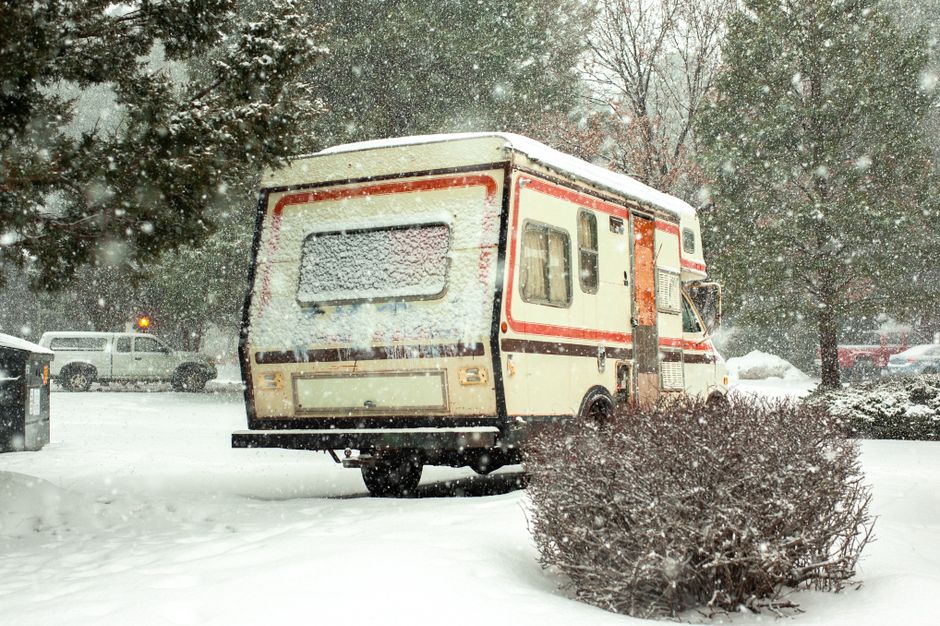
First-Time Winterizing Essentials
If you are heading into your first winter, the most common question is how much RV antifreeze you actually need. For most travel trailers and smaller motorhomes, 2 to 3 gallons of pink RV antifreeze is usually sufficient to flush the lines.
Always use a bypass kit for your water heater to avoid wasting 6 to 10 gallons of antifreeze filling up the tank. If you are using a new pump for the first time, ensure all connections are tight and double-check that your low-point drains are closed before you begin the process.
Heating and Temperature Management
When facing an early freeze warning, many owners ask if they should place a heater under the trailer. While a portable heater can keep the underbelly from freezing, it is a significant fire hazard and generally not recommended for unattended use.
A better strategy is to open your cabinet doors under sinks to allow ambient heat from your interior furnace to reach the water lines. If you plan to stay in your RV throughout the colder months, ensure your campsite offers adequate power to run an electric heat mat or tank warmers.
Is Complete Winterization Necessary?
Whether you need to perform a full blowout depends entirely on your climate and usage. If temperatures in your region remain consistently below freezing, full winterization—including blowing out lines with compressed air and pumping in antifreeze—is the safest bet to prevent pipe bursts.
However, if you are planning on RV life in warmer, burgeoning locations like the Guizhou campground, you might only need to ensure your tanks are drained. Always review your specific campground rules, as some parks may have gray areas regarding what is allowed on seasonal lots, especially when it comes to permanent skirting or heating setups.