



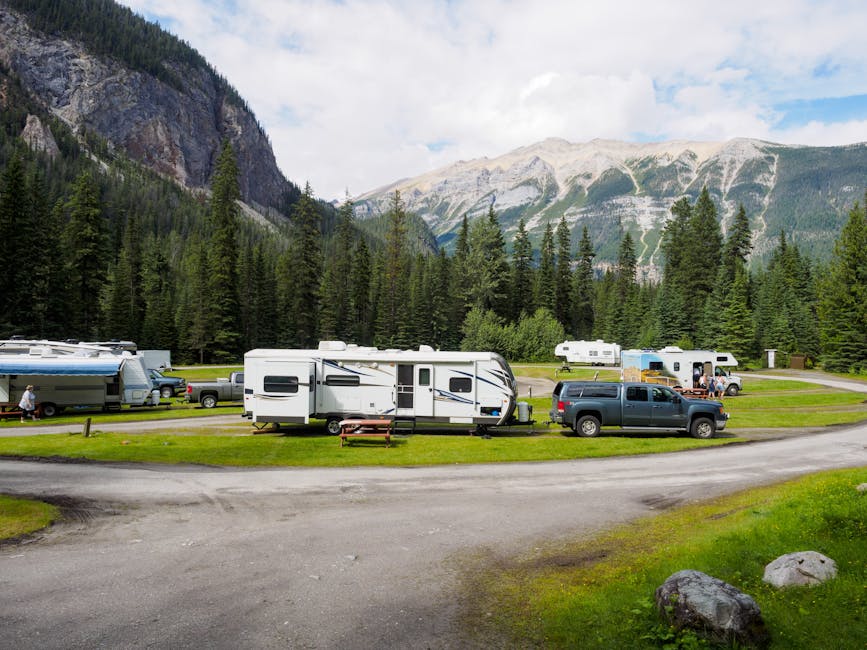
Why Choose National Park Adjacent?
When high-season demand leaves national park campgrounds fully booked months in advance, savvy RVers look to the perimeter. Choosing "park-adjacent" locations isn't just a backup plan; it's often a strategic move to secure larger sites, full hookups, and easier access to local amenities.
Staying outside the gates provides the flexibility to explore the park during the day while retreating to a more comfortable, less crowded setup at night. You can often save on nightly fees and enjoy better connectivity, allowing you to balance work and play more effectively.
Top Strategies for Finding the Perfect Spot
Finding the right adjacent location requires looking at Bureau of Land Management (BLM) lands, private campgrounds, and state parks that sit just outside the boundary. Start your search by mapping out entry points and checking for corridors that offer easy transit to the main visitor centers.
- Check satellite views for clearance: Ensure the site can accommodate your specific RV length and slide-outs.
- Prioritize proximity to park shuttles: This saves you the headache of finding limited parking inside popular hotspots during peak hours.
- Verify hookup requirements: If you are relying on power and water, private parks in adjacent towns often provide the reliability that remote boondocking might lack.

Maximizing Your Adventure
The key to enjoying your stay is preparation. Monitor the weather in the higher elevations, as adjacent areas at lower altitudes may have vastly different climate conditions. Pack appropriate layers and always check local fire restrictions, which can vary significantly between the park boundary and surrounding lands.
Lastly, treat your adjacent campsite as your base camp. Since you are not tied to the interior campground rules, you often have more freedom to explore nearby national forests, local breweries, and scenic backroads that most tourists inside the park never get to see.