



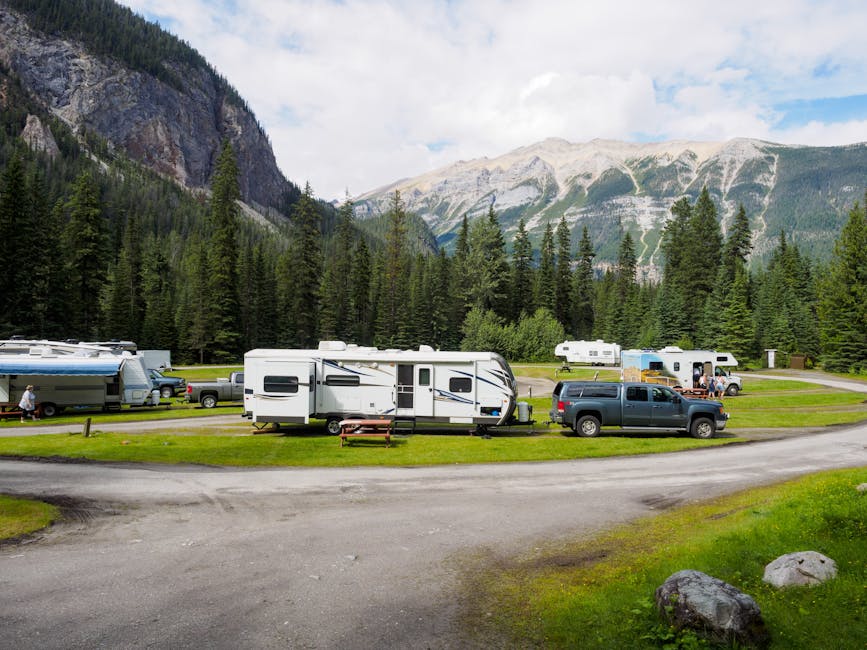
Why Go National Park Adjacent?
If you have ever tried to book a site inside a popular National Park, you know the struggle of the six-month reservation window. Choosing "National Park Adjacent" camping sites offers a superior alternative, providing more space, better hookups, and a quieter environment.
By staying just outside the gates, you often secure access to full utility hookups that internal park campgrounds simply cannot provide. This is essential for long-term RV travelers who need reliable power and water after a long day of hiking.
The Unique Appeal of Hot Springs National Park
Located in the heart of Arkansas, Hot Springs National Park is a unique urban-meets-nature destination. Because the park integrates directly into the historic city, the surrounding area is packed with private RV parks that offer a bridge between modern comfort and historic thermal springs.

When visiting this area, focus on finding a spot that keeps you within a 15-minute drive of Bathhouse Row. This allows you to explore the park's rugged mountain trails in the morning and soak in the historic thermal waters by the afternoon.
Actionable Tips for Your Next Trip
1. Prioritize Hookup Availability
National Park campgrounds are often limited to dry camping. When booking adjacent, use this as an opportunity to secure 50-amp service, which makes running your AC during hot summer months a breeze.
2. Check the Shuttle Routes
Many adjacent campgrounds are located along regional transit lines. Check if your chosen spot offers a shuttle or if the park entrance is bike-friendly, saving you the stress of finding parking during peak hours.
3. Plan for Off-Peak Access
If you plan to visit major monuments or visitor centers, arrive before 9:00 AM. Staying just outside the park allows you to stage your vehicle for an early departure, beating the main rush of tourists driving in from major cities.