



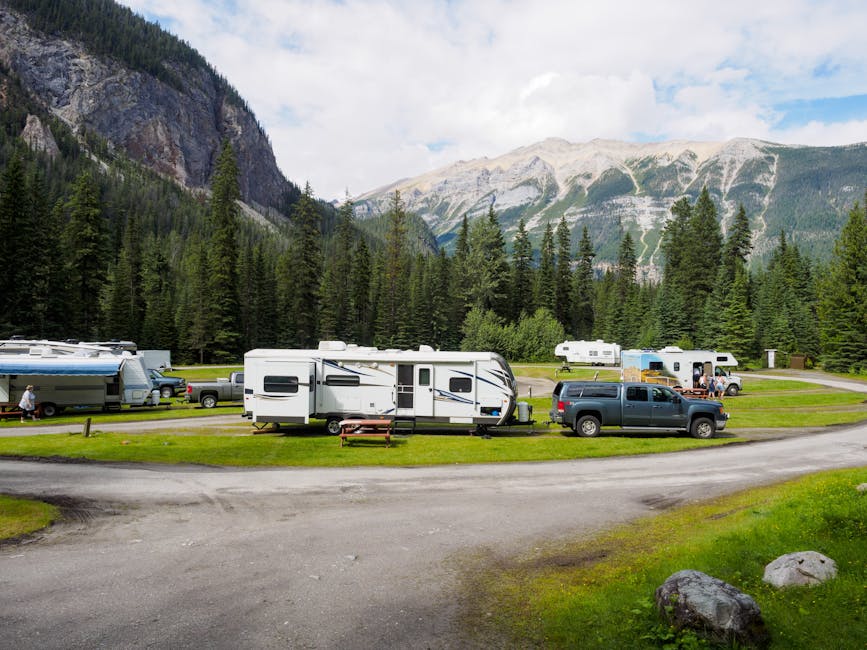
New National Parks Bring New RV Campground Restrictions
When a new national park is designated, RVers naturally rush to add it to their travel itineraries. However, newly minted parks and their updated campgrounds often come with a steep learning curve regarding vehicle size limits.
Recent additions, such as new park designations in the American Southwest, have left many big rigs scratching their heads. While tent campers and small campervans find plenty of room, large Class A motorhomes and long fifth-wheel trailers are frequently restricted due to tight loops, low-hanging branches, and weight limits on fragile access roads.
How to Check Campground Suitability Before You Tow
- Always verify maximum vehicle length restrictions directly on the official park website rather than relying on third-party apps.
- Call the visitor center to ask about turning radiuses and low clearance hazards in specific loops.
- Have a backup boondocking or private RV park location mapped out nearby just in case your rig exceeds the site limits.

Overhead Clearance and Forest Roads: Protecting Your RV Roof
One of the most stressful parts of driving an RV through public lands is managing overhead clearance. Forest Service roads and older national park campgrounds are rarely designed with towering modern fifth wheels or high-profile motorhomes in mind.
Low-hanging pine branches, unmaintained utility lines, and rustic wooden entrance arches can easily cause thousands of dollars in damage to your air conditioning units, solar panels, and rubber roofs. Always know your exact height down to the inch, and write it on a piece of tape affixed directly to your dashboard.
Tips for Avoiding Low Branch Damage
- Walk through tight campground loops on foot before driving your RV in to scout for low branches.
- Never trust GPS routing blindly; dedicated RV GPS units are better at factoring in height restrictions, but local forestry roads can change overnight due to storms.
- Designate a spotter outside the vehicle to guide you through narrow, tree-canopied primitive campsites.

Navigating Fees and Unique Public Land Regulations
Public land management is evolving rapidly, and staying compliant means keeping an eye on shifting fee structures and unique state park rules. Debates regarding potential surcharges for international visitors at national parks have sparked widespread discussion across the RV community regarding fair access and funding for public infrastructure.
At the same time, unique state-level destinations—such as New Mexico state parks that break traditional molds—offer fascinating alternatives to crowded federal lands, though they often come with their own distinct set of reservation quirks and operational rules.
Best Practices for Fee and Permit Management
- Purchase an America the Beautiful interagency pass if you plan to visit multiple federal sites to save on entry fees.
- Check individual state park websites for residency rules, senior discounts, and off-season reservation windows.
- Keep cash on hand for self-pay fee stations in remote national forests where cellular connectivity and card readers are unavailable.