



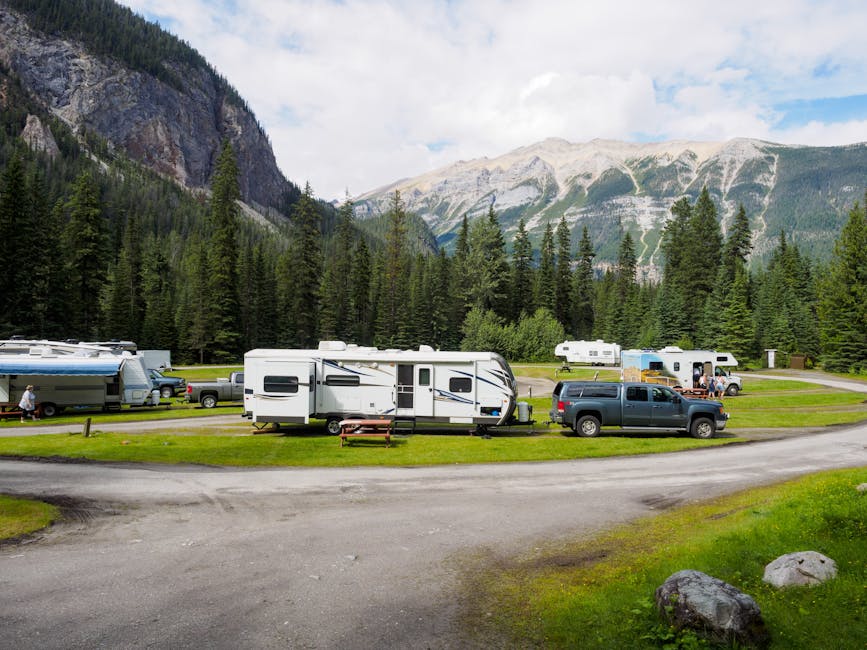
Massive Funding and Stewardship for National Parks
Public lands are the backbone of the RV lifestyle, and keeping them pristine requires heavy investment. Recent developments show a massive push toward long-term preservation, highlighted by Yellowstone National Park receiving a staggering $105 million conservation and stewardship fund.
For RVers, this kind of funding directly translates to better road conditions, upgraded facilities, and enhanced wildlife protection. When you navigate remote routes, knowing that infrastructure investments are actively working behind the scenes brings immense peace of mind.
Award-Winning Campgrounds and State Park Updates
Finding the right campsite can make or break a road trip. The Thousand Trails Yosemite Lakes has once again claimed the title of Best National Park Campground in the 2026 RVshare Campie Awards, showcasing what top-tier public land access looks like.
Meanwhile, state park systems across the U.S. are rolling out new operational updates, seasonal reservation windows, and modernization projects. Keeping a close eye on these state-level shifts helps you secure prime spots before the weekend rush hits.
Navigating Infrastructure Changes and Rising Campground Costs
Conservation isn't just about funding trails—it also involves heavy-duty wildlife management and perimeter control. For instance, Canadian parks are taking dramatic safety and preservation steps, such as Jasper building a 3-mile fence around a massive 781-site campground to manage human-wildlife interactions.
At the same time, RVers are facing a fundamental question: what’s the most you’d be willing to pay for one night at a campground? With demand surging and operating costs rising, budgeting for overnight fees has become a crucial part of trip planning.
- Book state and national park sites as early as your reservation window opens.
- Build flexibility into your nightly budget to accommodate rising campground fees.
- Stay informed on local park rules regarding wildlife management and perimeter fencing.