




The Rising Tide of RV Park Opposition
From the proposed site plans at shuttered campgrounds in New Hanover to the intense neighborhood pushback near Lake Fort Phantom Hill, the landscape of RV development is shifting. Communities are increasingly raising concerns about traffic flow, environmental impact, and local zoning adherence.
Whether it is a Planning Commission in Cheyenne supporting workforce housing or a County Council denying a permit in another region, the friction is palpable. As an RVer, understanding this tension is crucial, as it directly impacts where new, high-quality parks will be built in the future.
Common Reasons for Development Conflicts
When developers look at former campgrounds or empty parcels, they see opportunity. Local residents, however, often see potential disruptions to their quality of life. Common points of contention include:
- Traffic and Infrastructure: Concerns about high-traffic vehicles utilizing roads not designed for heavy RVs, especially near blind intersections.
- Zoning and Permitting: Questions regarding whether a project aligns with current land use, such as the case in the Daily Inter Lake report where a park opened without proper municipal authorization.
- Community Character: Fears regarding noise, light pollution, and changes to the neighborhood aesthetic, which frequently appear in feedback provided during public hearings in towns like Jamestown.
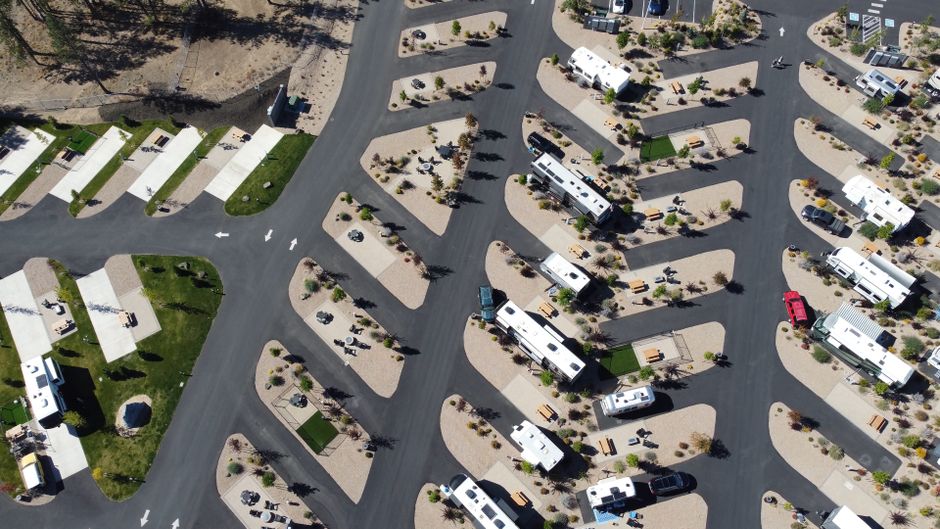
How RVer Interests Align with Sustainable Growth
Not all development news is negative. In areas like Cheyenne, authorities are recognizing the need for workforce housing and transient RV sites, demonstrating a path forward through collaboration. Sustainable RV parks provide a net benefit to local economies when developers engage with the community early.
When evaluating where to stay or support future developments, consider these factors:
- Check for zoning compliance: Reputable parks prioritize obtaining all necessary city permits before welcoming guests.
- Environmental Stewardship: Look for developments that preserve natural beauty and minimize landscape degradation.
- Traffic Safety: Favor parks with well-planned entry and exit points that do not disrupt existing local traffic patterns.