



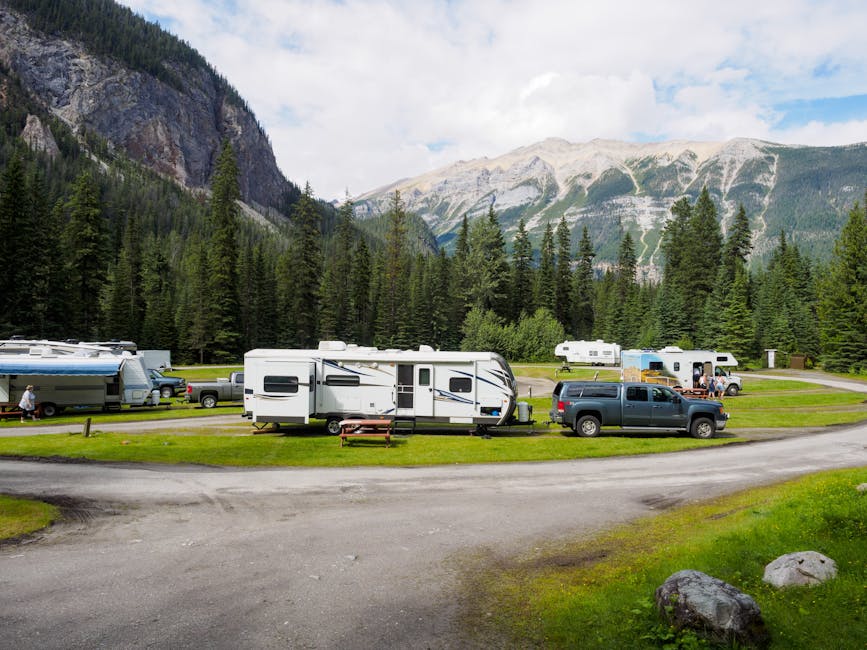
New Parks, Same RV Struggles: Size and Access Restrictions
Exploring newly designated public lands and national parks is an incredible adventure, but it often comes with a steep learning curve for big rigs. Recent additions, such as new national parks in Arizona, highlight a growing trend where stunning natural beauty meets tight campground size constraints. Many historic or newly minted federal campgrounds simply were not engineered to accommodate modern 40-foot motorhomes or large fifth wheels.
Before hitching up and heading toward America's newest protected lands, always check campground loop dimensions and maximum vehicle length limits. Disappointment at the registration desk is easily avoided by utilizing apps like Campendium or The Dyrt to scout satellite views and read recent reviews from fellow RVers regarding turnaround space and pad leveling.
Top-Rated Camping for Hikers and Outdoor Enthusiasts
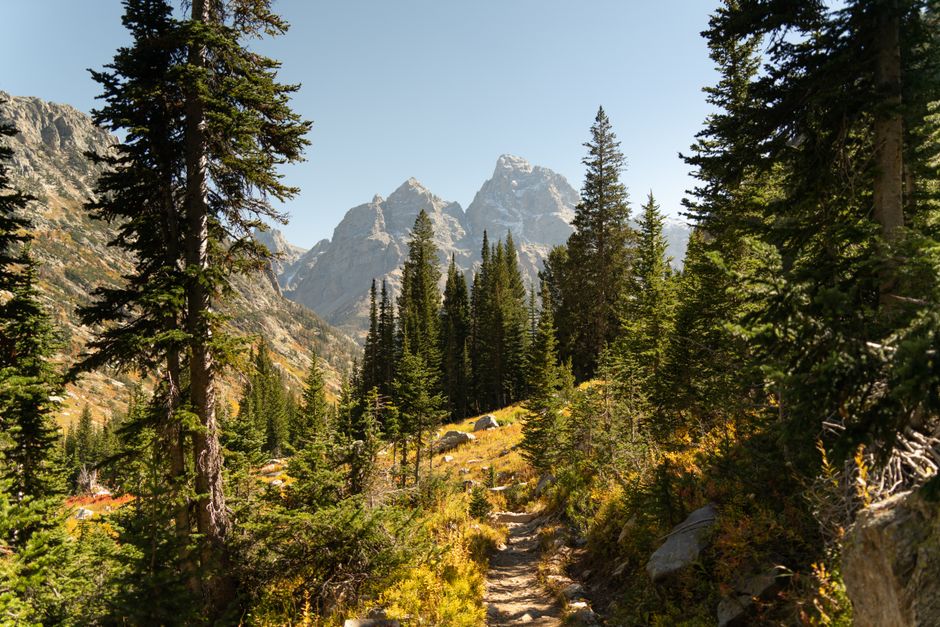
If your primary goal is hitting the trail right from your doorstep, finding the right basecamp is crucial. Recent rankings by camping platforms emphasize that proximity to trailheads significantly enhances the overlanding experience. Look for public land dispersed areas or designated national forest campgrounds that put you feet away from world-class trekking.
- Prioritize campgrounds with direct trail access to maximize your hiking time.
- Research elevation changes if you are hiking straight from camp to avoid altitude sickness.
- Check fire restrictions and bear-safety protocols before setting up your basecamp.
Navigating Low Clearances, Fees, and Local Ordinances
Hitting the open road on public lands requires vigilance beyond just picking a scenic spot. Low overhead clearance in national forests can easily turn into a costly rooftop disaster if you aren't watching out for low-hanging branches. Always know your rig's exact height in feet and inches, and invest in a specialized GPS designed for RV routing.
Additionally, staying informed on current debates is vital for budget-conscious travelers. Ongoing discussions surrounding national park surcharges for international visitors and community pushback against new private RV developments—such as local zoning battles in places like Marion County near the Ocala National Forest—remind us that the landscape of public land management is constantly evolving. Stay respectful of local communities, follow Leave No Trace principles, and always verify local dispersed camping regulations before parking for the night.