




The Reality of RV Park Safety
In recent months, headlines involving meth busts in Okeechobee, police standoffs in New Jersey, and ongoing infrastructure failures like boil water advisories have left many full-timers and weekend warriors concerned. It’s natural to wonder if the RV lifestyle is becoming less predictable.
The truth is that while most parks are peaceful, the rise in long-term residency and transient traffic in certain regions has shifted the landscape. Staying safe requires more than just locking your door; it requires proactive vetting and a willingness to move on if the environment feels off.
Identifying Red Flags Before You Book
Observe the Long-Term vs. Short-Term Ratio
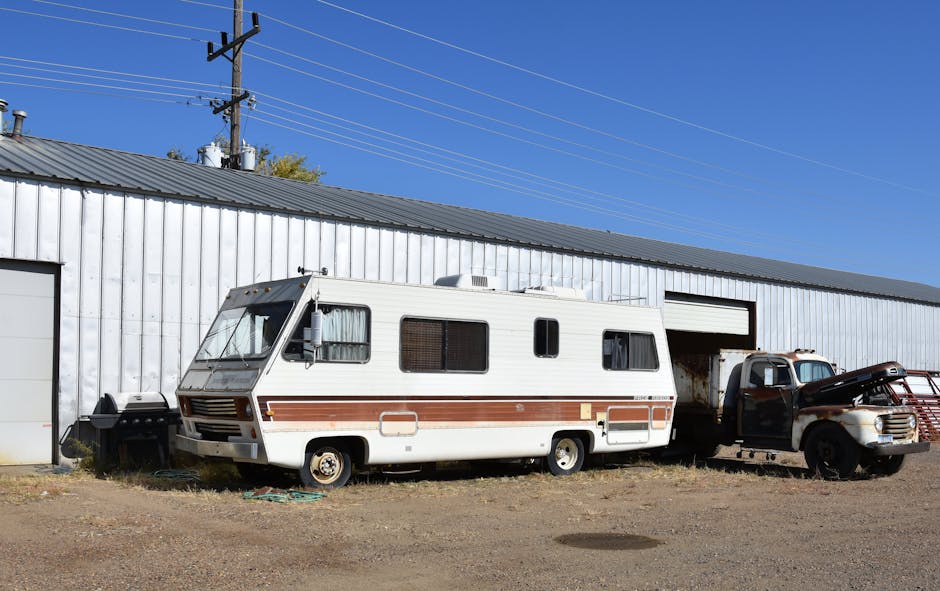
If a park looks more like a permanent low-income housing complex than a campground, be cautious. Excessively run-down rigs, high turnover of security personnel, or management ignoring repeated complaints about illegal activity are clear warning signs.
Research Recent Incidents
Always search local news for the park name and the city. If reports mention persistent police presence, zoning violations, or utility failures, take them seriously. A quick search for things like 'Okeechobee RV park arrest' or 'boil water advisory' can save you from a nightmare stay.
Actionable Steps for a Safer Experience
- Prioritize parks with controlled access gates and active night patrols.
- Check recent reviews on multiple platforms for mentions of 'transient' issues or maintenance neglect.
- Trust your gut. If you pull into a site and immediately feel uncomfortable, do not hesitate to forfeit your deposit and move to a known reputable location.
Maintaining Your Peace of Mind
You don't have to live in fear to stay safe. By researching destination parks like those found in Okeechobee RV areas, you can ensure your trip remains focused on relaxation rather than stress. Keep your gear locked, stay aware of your neighbors, and always have a backup destination in mind when booking long stays.