

Understanding the Fabric of RV Culture
The open road offers unmatched freedom, but living the RV lifestyle means plugging into a unique and tightly-knit community. Whether you are posted up at a bustling national destination like Jasper National Park or staying at a local municipal site, understanding the unspoken cultural norms is essential for a smooth journey.
From the classic wave passing fellow drivers on the highway to sharing tools and troubleshooting tips at the communal water spigot, RV culture is built on mutual respect and shared experiences. However, rapid growth in nomadic living has put pressure on local infrastructure, leading to stricter regulations across many regions.
The Reality of Local RV Park Rules and Regulations
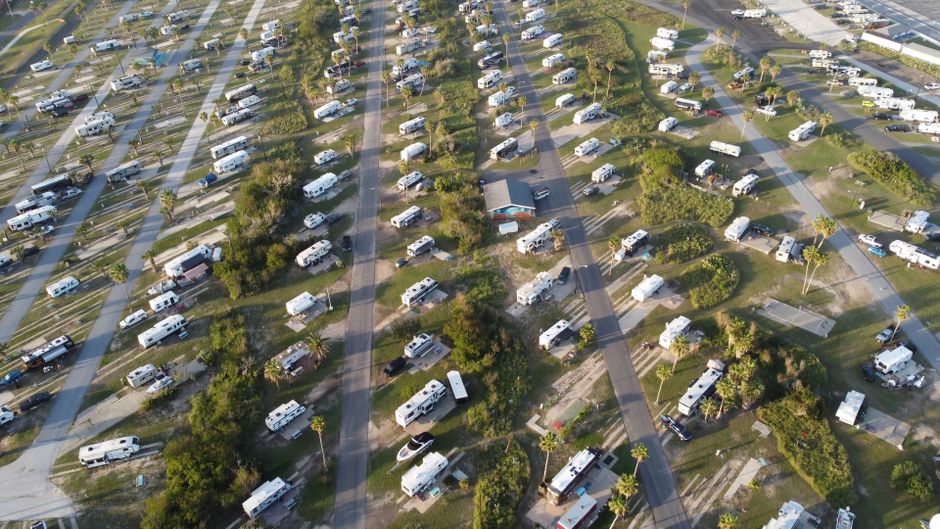
If you have been following recent municipal updates, you know that local ordinances regarding RV living are shifting fast. Towns and councils—such as recent updates seen in areas like Rotan, Roby, and Aspermont—are increasingly adopting formal RV park rules to manage community growth, sanitation, and long-term stays.
Ignoring local ordinances or overstaying welcome limits can lead to serious headaches, including sudden park evictions. Always research local zoning laws before settling down for an extended stay, and make sure your rig meets the aesthetic and age requirements enforced by individual parks.
Navigating Overnight Accommodations and Permits
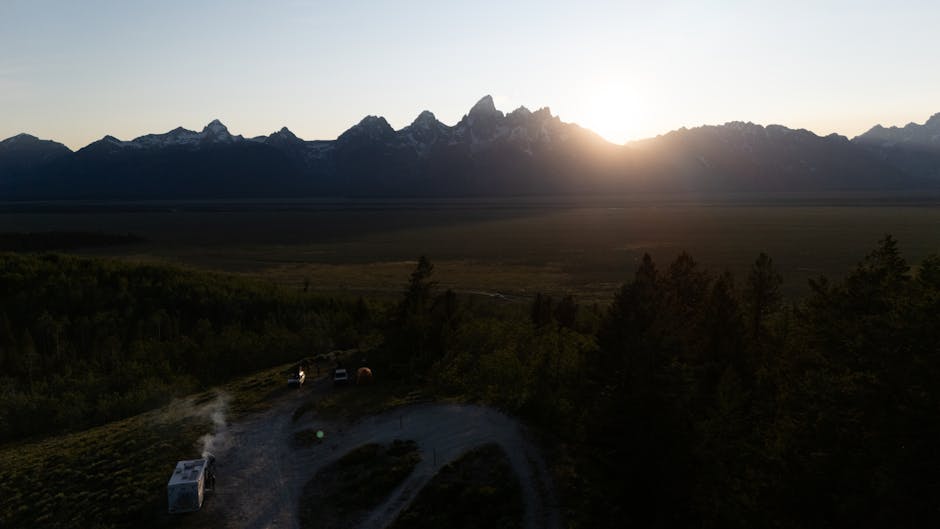
Finding a reliable spot to sleep for the night requires strategy and planning. High-demand public lands and premier natural getaways—such as the camping and overnight accommodations managed by Parks Canada in Jasper National Park—frequently require reservations months in advance.
Tips for Secure Overnight Stays
- Always secure valid permits before setting up camp in national or provincial parks.
- Have a backup dry-camping location mapped out in case your primary destination is full.
- Respect quiet hours and wildlife safety protocols, especially in bear country.
- Understand the specific length-of-stay limits to prevent accidental overstays and penalties.
Avoiding Evictions and Maintaining Good Standing
Recent viral stories and local news reports highlighting RV park evictions serve as a stark reminder that park management holds the final say on who stays. To keep your rig secure and maintain a stellar reputation in any community, keep these golden rules in mind:
- Pay your site fees promptly and communicate early if financial or mechanical hardships arise.
- Keep your outdoor living space tidy and free of excessive clutter or unauthorized storage sheds.
- Be a good neighbor by managing pet waste, controlling generator noise, and respecting boundaries.
- Review the park's lease agreement thoroughly for clauses regarding vehicle maintenance and guest policies.