




The Roots of Modern RVing
The concept of the recreational vehicle has transformed significantly since the early 20th century. What started as tent trailers and makeshift house-cars evolved into the sleek, aerodynamic aluminum shells we recognize today. This evolution wasn't just about utility; it was about the democratization of travel.
Design milestones, such as the 90-year legacy of the Airstream, proved that travel trailers could be both durable and stylish. These iconic designs changed the public perception of camping, turning it from a rugged chore into a refined lifestyle choice.
Design That Defies Time
The secret to the longevity of RV culture lies in the engineering. High-quality construction allows trailers to withstand harsh climates, whether you are traversing mountain passes or parking on a sandy coast. When choosing a rig, prioritize durability over aesthetics.
Actionable Tips for Modern RVers
- Focus on weight distribution for better towing stability in high winds.
- Look for aluminum body construction for long-term weather resistance.
- Always inspect the seals and joints annually to prevent moisture intrusion.
Where to Experience RV History
You can immerse yourself in the culture of the open road by staying at locations that celebrate the classic RV aesthetic. Visiting well-maintained parks helps you connect with the history of the movement while enjoying modern amenities.
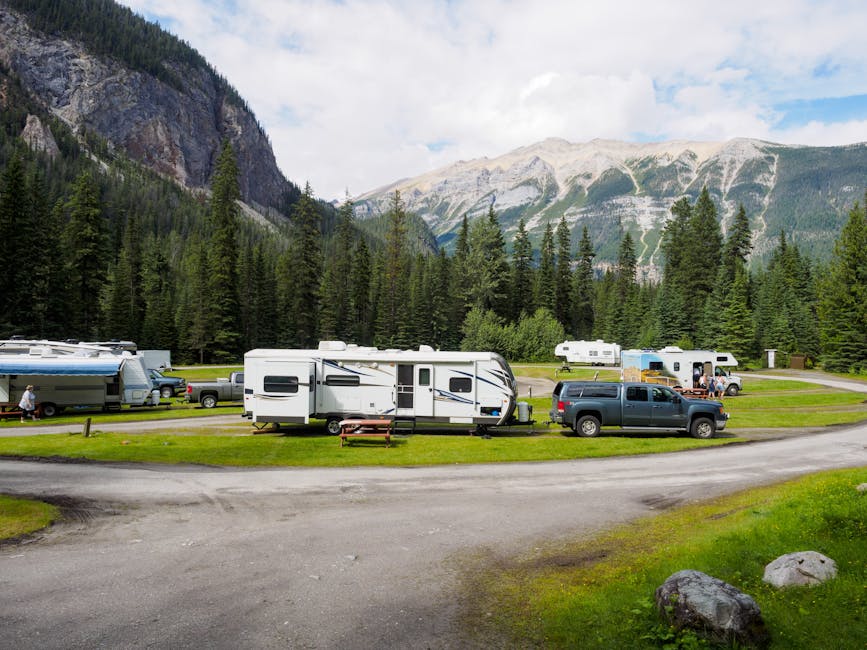
Whether you are traveling for a weekend or a season, selecting the right base camp is crucial. Ensure you check for level pads and proximity to travel routes that complement the historical spirit of your journey.