



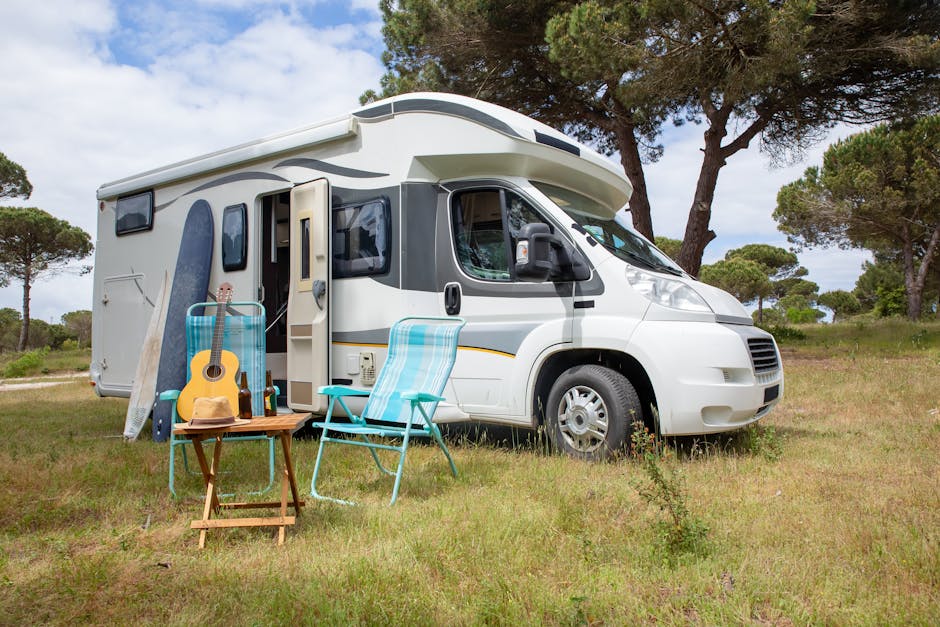
The Modern RV Dilemma: Hookups vs. Freedom
If you only camp off-grid a couple of times a year, investing in a complex, built-in lithium battery bank and massive solar array might feel like overkill. Yet, the allure of finding a quiet, secluded spot without electrical pedestals remains strong for weekend warriors. This exact debate has taken over RV forums and Reddit communities recently, with casual campers asking a simple question: is a portable power station actually worth the money if you only need it occasionally?
Unlike traditional generator setups that require gasoline, noise management, and routine maintenance, portable power stations operate silently and safely inside your rig. They bridge the gap between fully equipped RV parks and pure roughing-it. But before dropping significant cash on a high-capacity unit, you need to understand how your actual power consumption matches up against what these generators can deliver.
What Can a Portable Power Station Actually Run?
To determine if a power station fits your camping style, you have to look closely at your daily wattage needs. If your off-grid goals are limited to keeping smartphones charged, running a 12V CPAP machine, powering LED lantern lights, and keeping your laptop alive, a mid-sized portable power station shines.

However, managing expectations is crucial when dealing with high-draw appliances. Most standard portable units will struggle or outright fail to run heavy RV appliances like air conditioners, electric water heaters, or hair dryers for very long. If your definition of occasional boondocking involves running heavy AC appliances without a generator, a small power station will leave you frustrated.
- Smartphones and tablets: Easily charged 20 to 30 times on a medium unit.
- CPAP machines: Most units can run a medical device for 1-2 full nights with the humidifier off.
- Laptops and camera gear: Perfect for remote workers and digital creators needing reliable DC power.
- Microwaves and coffee makers: Requires a heavy-duty, high-wattage inverter model that is significantly more expensive.
Weighing the Pros and Cons for Casual Campers
For the occasional dry camper, portability is the ultimate selling point. You can charge the unit at home using a standard wall outlet before your trip, toss it in the back of your tow vehicle, and plug your RV right into it. There's no permanent installation required, no drilling holes in your roof for solar panels, and no heavy wiring to manage.
On the flip side, cost per watt-hour is higher with pre-built portable units compared to a DIY AGM or lithium battery build. You are paying a premium for the all-in-one convenience, integrated inverter, and sleek display screens. If you only camp without hookups once every two years, renting a traditional gas generator or simply utilizing your RV house batteries efficiently might make more financial sense.
Verdict: Should You Buy One?
Ultimately, a portable power station is worth it for occasional RV nights without hookups if you value silence, simplicity, and zero maintenance. They are foolproof emergency backups that double as great gear for tailgating and backyard movie nights. Assess your gadget habits, calculate your nightly amp-hours, and decide if trading campground hookups for total serenity is worth the upfront investment.