



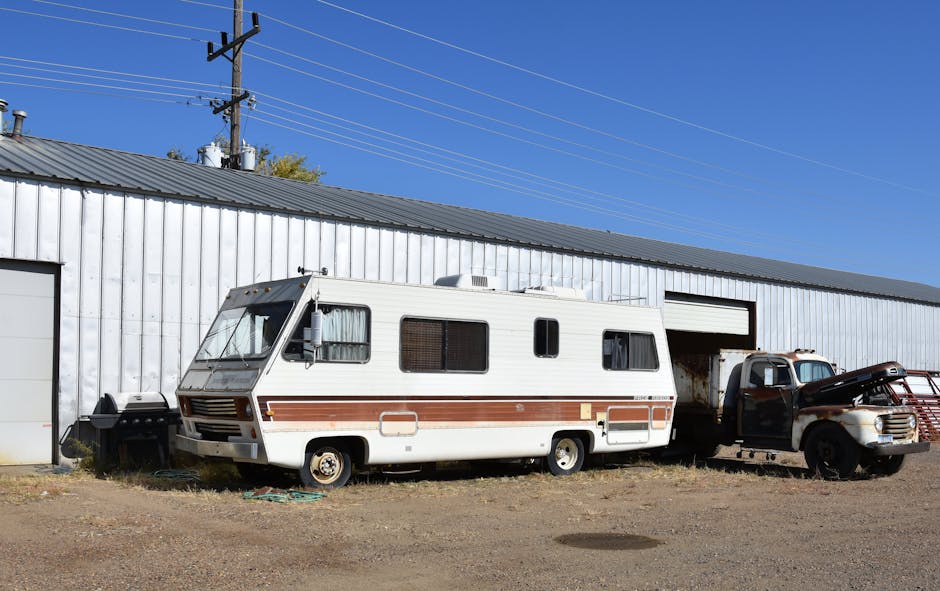
Why Specialized RV Storage Matters
Leaving an RV exposed to UV rays, heavy rain, and freezing temperatures is a recipe for costly repairs. Building a dedicated storage structure is the best insurance policy you can buy for your motorhome or travel trailer.
When planning your build, focus on high-clearance structures that accommodate your specific rig's height, including roof-mounted AC units and antennas. Always build at least 20% larger than you think you need to allow for maintenance space and potential future vehicle upgrades.
Critical Design Features for RV Garages
Ventilation and Climate Control
Moisture is the silent killer of RV interiors. Ensure your structure has active roof ventilation and sufficient eave gaps to prevent condensation buildup, which leads to mold and mildew.
Concrete Foundation and Flooring
A reinforced concrete slab is non-negotiable for heavy rigs. Ensure the slab is thick enough to handle your RV's GVWR and consider adding a vapor barrier underneath to prevent rising damp from affecting the chassis or tires.
Practical Planning for Accessibility
Design your storage space with the 'back-in' experience in mind. Turning radius is often overlooked, so clear the surrounding area of obstructions to allow for easy maneuvering.
- Measure your total turning radius before staking out your foundation.
- Install high-intensity LED lighting to make night-time parking safer.
- Include integrated electrical hookups inside the building to keep batteries charged during storage.