




The State of RV Park Development and Industry Growth
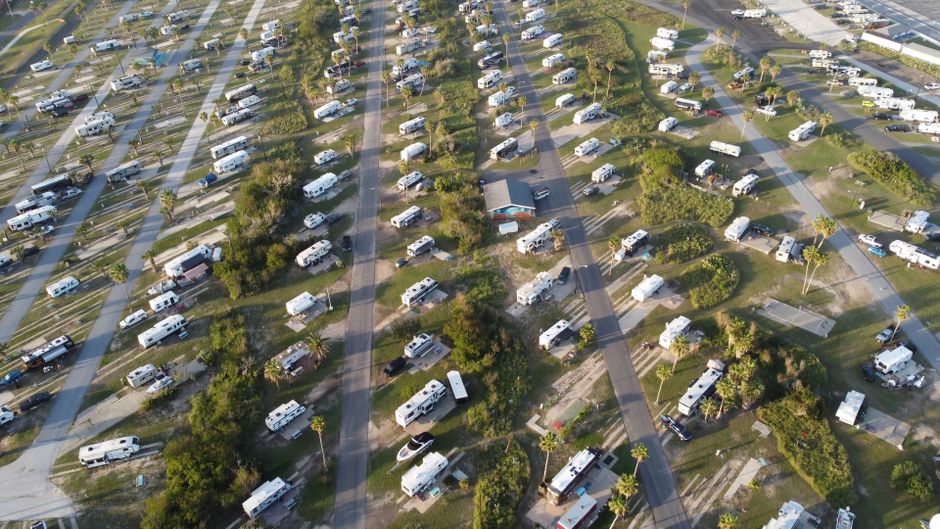
The outdoor hospitality sector is booming, driving a massive wave of new RV park development across the country. From independent operators finalizing their very first boutique campgrounds to major corporate alliances like the Unhitched and Macritchie Group partnership acquiring and scaling multiple parks, the business landscape is shifting rapidly.
However, turning raw land into a profitable, high-demand RV resort requires much more than just pouring concrete pads. Developers must navigate complex municipal regulations, infrastructure demands, and rising construction costs while managing community expectations from day one.
Mastering the Feasibility Study Phase
Before a single shovel hits the dirt, a comprehensive feasibility study is non-negotiable. Recent public presentations—such as those debated by county councils regarding Route 502 proposals—highlight how crucial transparency and data collection are before presenting plans to local governments.
A proper feasibility study should cover several critical pillars:
- Market Demand: Analyze current local supply, competitor pricing, and regional tourism trends.
- Infrastructure Costs: Estimate exact figures for heavy-duty electrical grids, high-capacity water systems, and modern septic or sewer hookups.
- Zoning and Land Use: Review municipal comprehensive plans to ensure proper zoning or prepare for lengthy conditional use permit applications.
- Environmental Impact: Assess soil stability, drainage patterns, and potential impacts on local wildlife or traffic flows.
Navigating Public Opposition and Municipal Processes
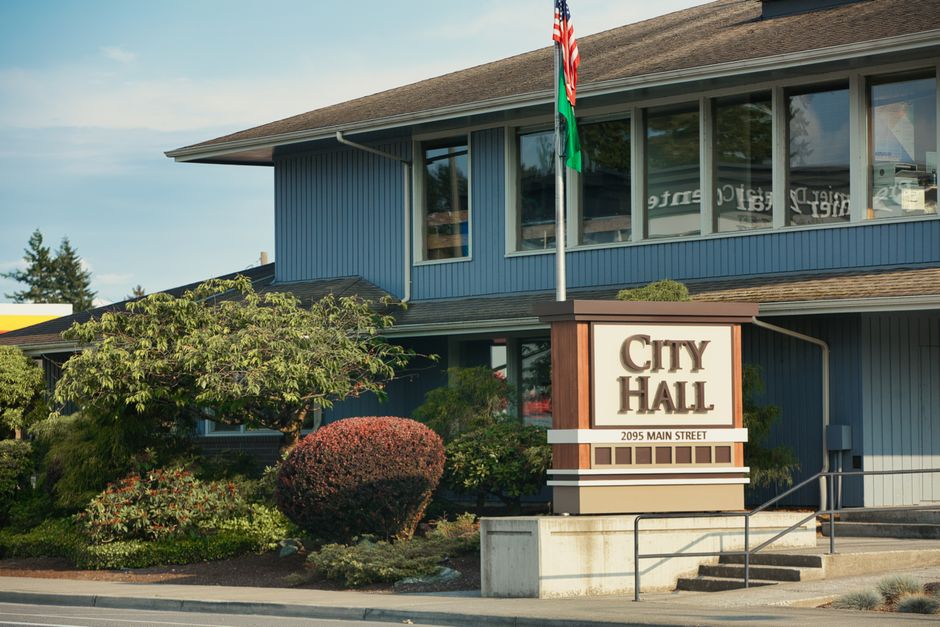
One of the most challenging hurdles in RV park development is managing community pushback. Public letters, council objections, and procedural disputes frequently slow down projects when residents worry about traffic congestion, noise, or environmental disruption.
To successfully steer a project through local government approval, developers should adopt proactive strategies:
- Engage early with neighborhood associations and local leaders long before the official council presentation.
- Address traffic, lighting, and noise concerns transparently with professional engineering reports.
- Highlight the economic benefits the park will bring to local small businesses, tourism, and tax revenue.
- Maintain open communication channels to build trust and mitigate misinformation during the public comment period.
Scaling Your Portfolio: Lessons from Industry Leaders
For entrepreneurs looking to scale beyond a single location, portfolio expansion requires streamlined standard operating procedures (SOPs). Recent industry moves—like partnership models designed to rapidly develop and manage four or more parks simultaneously—prove that operational efficiency is the key to multi-unit success.
When scaling an RV park business, focus on automating booking systems, centralizing maintenance management, and maintaining a consistent guest experience across every location. Whether you are partnering with municipal leaders seeking qualified operators or developing privately owned land, prioritizing guest satisfaction and sustainable infrastructure ensures long-term profitability in the competitive outdoor hospitality market.